
"Water sports" is a category big enough to include floating in a Mexican cenote, racing 70km/h on a hydrofoil and jumping off a Norwegian cliff in a wetsuit. After a career bouncing between scuba, surf and stand-up boards, here's the entire genre — broken down by skill, cost and where each one is at its absolute best.
The Categories
- Surface paddling: SUP, kayaking, canoeing, white-water rafting
- Surf-family: surfing, bodyboarding, foilboarding, longboarding
- Wind and traction: sailing, kitesurfing, windsurfing, wing foiling
- Sub-surface: snorkeling, scuba diving, freediving, mermaid diving
- Speed and tow: wakeboarding, water-skiing, jet skiing
- Cliffs and high water: cliff diving, coasteering, canyoneering
1. Surfing
Beginner courses USD 50-100/lesson; expect the first month to be all whitewash. Best learning spots: San Diego, Byron Bay, Taghazout (Morocco), Weligama (Sri Lanka). Fundamentals: pop-up, reading the lineup, etiquette.
2. Stand-Up Paddleboarding
Easiest entry sport in this list. Inflatable boards run USD 350-700. Calm water, balance, basic stroke — done in an hour. Race, surf, yoga and tour boards are the specialised splits.
3. Kitesurfing
Steeper learning curve than surfing — 6-12 hours of instruction before independent. IKO Levels 1-3 take USD 400-700. Top spots: Le Morne (Mauritius), Tarifa (Spain), Cabarete (DR), Cumbuco (Brazil). Hooked-in body harnesses do the lifting work, not arms.
4. Windsurfing
Once dominant, now a cult. Bonaire's Lac Bay is the world's most beginner-friendly venue — flat water, side-shore wind, knee deep for hundreds of metres. Gear cost USD 1,200-2,500 entry-level board + sail.
5. Wing Foiling
The newest entry — a handheld inflatable wing on a hydrofoil board. Steeper learning than SUP, easier than kitesurf. USD 1,500-3,000 entry rig. Quick gains for surfers and windsurfers.
6. Sea Kayaking
Multi-day expedition potential. Best sea kayak destinations: Inside Passage (BC), Croatia's Dalmatian islands, Greek Cyclades, Greenland's Disko Bay. Two-day intro courses run USD 200-450.
7. White-Water Kayaking
Roll first, paddle second. 3-5 day Class III intro courses on Ottawa River (Canada), Futaleufú (Chile), Zambezi. Class IV-V is a multi-year progression.
8. White-Water Rafting
Group activity, low skill barrier, high adrenaline. Top expeditions: Grand Canyon (14-21 day), Zambezi, Colorado, Futaleufú. Day trips USD 80-180.
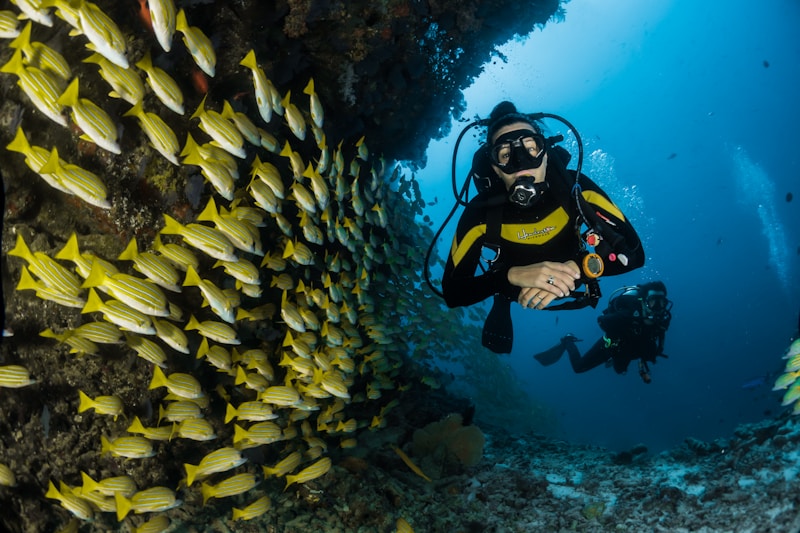
9. Scuba Diving
Open Water certification: 3-4 days, USD 350-700. Unlocks every reef, wreck and underwater landscape on Earth. See our dedicated guides for full detail.
10. Snorkeling
Free-or-cheap entry, accessible to anyone who can swim. Best snorkel destinations: Maldives, Belize, Komodo, Maldives Hanifaru, Bonaire, Hawaii.
11. Freediving
Apnea Total or AIDA 2 certification: 2-3 days, USD 250-450. Static breath-hold + dynamic distance + constant weight depth. Best learning destinations: Dahab, Amed (Bali), Roatán, Limassol (Cyprus).
12. Mermaid Diving
Hybrid of freediving + theatrical fin work. Real beginner-friendly courses (PADI Mermaid, IDA) run USD 250-500. Surprisingly demanding cardio.
13. Wakeboarding
Behind a boat or cable park (cheaper). USD 30-80/session. Cable parks: Hipnotic Park (Bali), West Lake (Vietnam), Wake Park 51 (Spain).
14. Water Skiing
Behind a boat. Slalom is the harder progression. USD 100-200 for a half-day with boat hire.
15. Jet Skiing
No certification required in most countries. Hire 30-60 minutes USD 80-180. Risk of operator licensing varies — check local rules.
16. Cliff Diving
Free where waters are deep and known. Top sites: Kahekili's Leap (Maui), Praia da Adraga (Portugal), Lugano (Switzerland). Above 8m, learn proper entry technique — wrong angles snap ankles.
17. Coasteering
Welsh import — scrambling, jumping and swimming along rocky coasts in a wetsuit. Half-day guided experiences USD 60-150.
18. Canyoneering
Descending canyons via abseil, swim and slide. Top regions: Sierra de Guara (Spain), Costa Rica, Ticino (Switzerland), New Zealand.
Cost-to-Reward Ranking
| Sport | Cost to start | Time to enjoyable | Reward ceiling |
|---|---|---|---|
| SUP | USD 30 rental | 1 hour | Moderate |
| Snorkeling | USD 25 mask + fins | Immediately | High |
| Surfing | USD 75 lesson | 1 month | Lifetime |
| Scuba diving | USD 500 OW course | 4 days | Lifetime |
| Kitesurfing | USD 600 course | 2 weeks | Very high |
| Freediving | USD 400 course | 3 days | Lifetime |
| Wing foiling | USD 2,500 gear | 1 month | Very high |
Best Multi-Sport Destinations
- Bali: Surf, dive, freedive, SUP, paragliding from Uluwatu cliffs.
- Maldives: Surf (April-October), dive (year-round), kitesurf (June-September).
- Sri Lanka: Surf (Arugam Bay east coast), dive (Trincomalee), whale watching.
- Mauritius: Kitesurf at Le Morne, dive on east coast, sail lagoon.
- Brazil (Cumbuco): Kitesurf, wing foil, surf, SUP — wind year-round.
- Tarifa, Spain: Wind capital — kite, windsurf, wing all from same beach.
Safety Principles
- Take lessons from certified instructors — IKO for kite, ISA for surf, PADI/SSI for dive.
- Wear leashes on all surface boards.
- Use buddy system in surf or open water.
- Respect lifeguard flags.
- Watch the wind/tide forecast — Windguru and PredictWind are gold standard.
- Dehydrate quickly — water sports are deceiving cardio.
Insurance and Coverage
Standard travel insurance excludes most boardsports beyond casual snorkel. Adventure cover (World Nomads, IMG) includes most. Diving needs DAN. Kitesurfing and white-water often need named-activity riders.
Combining Sports
Surf-dive-eat-repeat is the classic formula in tropics. Mornings on a board (offshore winds), midday lunch and rest, afternoon dive (slack tide). Bali, Maldives, Costa Rica and Sri Lanka all support this rhythm.
Sustainability
- Reef-safe sunscreen (oxybenzone- and octinoxate-free).
- Avoid SPF lotions in lagoon and snorkel zones.
- Pick local instructors over big chains.
- Refillable water bottles, bamboo board wax (yes, it exists).
Get on the Water
- PADI — diving and freediving courses worldwide.
- GetYourGuide — surf lessons, kite sessions, kayak tours.
- Viator — multi-day water sports packages.
Frequently Asked Questions
What's the easiest water sport to start?
SUP on flat water, then snorkeling with a guide. Both are instant-reward and don't require courses.
Which water sport rewards lifetime practice the most?
Surfing or scuba diving. Both keep developing for decades — there's always a harder wave or a more remote dive.
Can I learn multiple in a single trip?
Yes — places like Bali, Maldives and Brazil are designed for multi-sport days. Pick one to get certified in plus 1-2 to dabble.
Best water sport for older adults?
Snorkeling, scuba diving (gentle on joints, low impact), kayak touring, SUP. Surfing is doable but the bail-and-recover cycle is hard on shoulders past 60.
What's the safest water sport?
Snorkeling and SUP on calm water rank lowest in incident statistics. White-water rafting and kitesurfing in big wind are the riskier end. All can be safe with right instruction.