
Trekking is the bridge between hiking and expedition travel — multi-day journeys that demand planning, gear discipline, fitness preparation and route knowledge. Done right, it's the most rewarding format in adventure travel. Done badly, it's misery measured in blisters. Here's the full playbook.
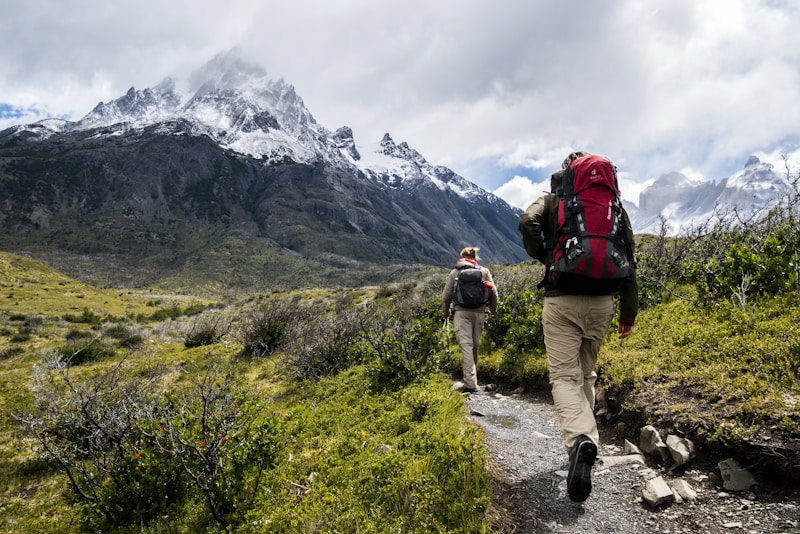
Trekking vs Hiking
Hiking is single-day. Trekking is sustained — multiple days carrying enough to be self-sufficient (or hut-supported). The skill curve from day hike to multi-day trek is real: pace management, gear weight, food strategy, fatigue tolerance, navigation in remote areas, weather decisions.
Three Trekking Formats
- Hut-to-hut (Alps, NZ Great Walks, Dolomites) — sleep indoors, hot meals included, daypacks only.
- Tea-house (Nepal, parts of Bhutan, India) — local guesthouses, hot meals, lighter packs.
- Expedition / wild camping (PCT, Patagonia, Greenland) — full self-sufficiency, tent, stove, food.
Choosing Your First Multi-Day Trek
Pick hut-based. Pick well-managed. Pick familiar climate. Tour du Mont Blanc, Dolomites Alta Via 1, Routeburn or Milford in NZ, Camino de Santiago. All forgiving, well-supported, beginner-appropriate.
Gear for Multi-Day Trekking
Pack
- 30-40L for hut-to-hut.
- 50-65L for backpacking.
- Osprey Aether/Ariel, Gregory Baltoro/Deva, Deuter Aircontact are top all-rounders.
Footwear
- Mid-cut hiking boots for general multi-day.
- Full hiking boots for heavy pack expedition.
- Spare laces, blister care, toe-tape.
Sleep System (for backpacking)
- Sleeping bag rated 5°C below expected low.
- Closed-cell or inflatable sleeping pad (R-value matched to ground temp).
- Tent: 1.4-2kg ultralight 1-person, or 2-3kg 2-person shared.
- Down jacket for camp.
Cooking (for backpacking)
- Canister stove (MSR Pocket Rocket, Soto WindMaster).
- Pot 700ml-1L titanium.
- Spork, lighter, biodegradable soap.
Layering
- Two base layers (rotate).
- Mid-weight fleece.
- Down jacket.
- Waterproof shell + pants.
- Hat, gloves, buff, spare socks.
Navigation and Safety
- Map (paper, waterproof).
- Compass.
- GPS or smartphone with offline maps (Gaia, Komoot, OS Maps).
- Headtorch + spare batteries.
- First aid kit (blisters, painkillers, antiseptic, tape).
- Emergency shelter (foil bivvy).
- Whistle.
- Power bank for phone.
- Personal locator beacon (PLB) for remote treks (Garmin inReach Mini).
Water
- 2L capacity (bottles or bladder).
- Filter (Sawyer Squeeze, Katadyn BeFree) or chemical (Aquatabs).
Food
- 3,000-5,000 calories per day depending on terrain and weight.
- Carbs primary, fats and protein secondary.
- Snacks every 60-90 minutes — nuts, bars, dried fruit, chocolate.
- Dehydrated meals (Mountain House, Backpacker's Pantry, Real Turmat) for backpacking.
Pack Weight Targets
| Trip type | Weight |
|---|---|
| Hut-to-hut | 8-11kg |
| Tea-house Nepal | 9-12kg |
| Backpacking 3-7 days | 12-18kg |
| Backpacking 7+ days | 16-22kg |
| Winter / expedition | 22-30kg+ |
Every kilo above 15kg costs significant pace and energy. Ultralight philosophy is real.
Fitness Preparation
- 3-6 months out: Start hiking 1-2x weekly, 4-6 hours each.
- Add weighted pack progression: 5kg → 10kg → 15kg → trip weight over 12 weeks.
- Strength training: Squats, lunges, step-ups, deadlifts. Twice weekly.
- Cardio: Running, cycling, swimming for base fitness.
- Mobility: Hip flexors, calves, ankles, thoracic spine.
Altitude — The Underestimated Factor
Above 2,500m, oxygen is reduced. Above 3,500m, it matters. Above 4,500m, it's the dominant variable. Acute mountain sickness (AMS) kills if pushed.
Acclimatisation Rules
- Once above 3,000m, ascend no more than 300-500m per night.
- "Climb high, sleep low" — explore higher during the day.
- Rest day every 1,000m of elevation gain.
- Hydrate aggressively (4-5L/day).
- Diamox (acetazolamide) helps acclimate but isn't a shortcut.
- Symptoms (headache, nausea, fatigue, sleep disturbance) → don't ascend further.
- Severe symptoms (ataxia, breathlessness at rest) → descend immediately.
Pace and Daily Strategy
- Start early, ideally before dawn for big days.
- 5-minute breaks every 60-90 minutes; longer break for lunch.
- Eat little and often — 200 cal per hour.
- Drink continuously, not in big gulps at breaks.
- Pace test: conversational pace = sustainable; gasping = too fast.
- End the day with daylight to spare. Cooking, gear-drying, planning all need light.
Group Dynamics
- Match fitness and expectations before booking.
- Slowest member sets the pace.
- Rotate gear weight if uneven.
- Pre-trip conversation: pace, breaks, summit ambitions, bailout decisions.
Weather Decisions
- Check forecast 2-3 days out.
- Watch for thunderstorm cells in afternoon — descend below tree line before they hit.
- White-out conditions: shelter, wait, navigate carefully if you must move.
- Crossings of streams or passes — early morning is safer (less melt, less wind).
- If forecast turns severe, abandon. The mountain will still be there.
Insurance
- Adventure-specific cover (World Nomads, IMG, BMC for UK).
- Verify altitude limit — many policies cap at 3,500m or 4,500m. Above that needs riders.
- Helicopter evacuation cover essential for remote treks.
- Trip cancellation cover for permit-protected treks.
Sustainability and Ethics
- Pack out everything. All trash. All food scraps. All paper.
- Stay on the trail.
- Tip porters and guides generously — they're the multiplier on every dollar.
- Use local operators where possible — keeps money in trekking communities.
- Choose tea-house operators that follow KEEP code (porter rights, fair pay).
Most Common Mistakes
- Underestimating pack weight.
- Wrong shoes (or untested shoes).
- Cotton clothing.
- Forgetting blister care.
- Pushing past altitude warning signs.
- Ignoring weather forecasts.
- Not enough food.
- Inadequate water filter.
- Solo on technical terrain when starting out.
Going Solo vs Guided
- Guided: Best for high-altitude (Kilimanjaro, EBC), permit-required (Inca Trail), unfamiliar terrain or culture.
- Solo: Workable on well-marked, well-managed trails (TMB, Camino, NZ Great Walks). Always tell someone your route.
Mental Strategies
- Break each day into segments — "to the next ridge," "to lunch."
- Don't think about tomorrow's distance during today's hike.
- Embrace bad weather days — they're the trip's drama.
- Photograph the small things — a flower, a rock layer.
- Journal each evening. The memories fade fast.
Book a Trekking Adventure
- GetYourGuide — guided treks of all lengths.
- Viator — multi-day expedition packages.
- PADI — for combining trekking with coastal diving on multi-region trips.
Frequently Asked Questions
What's the right first multi-day trek?
Hut-based: Tour du Mont Blanc, Dolomites Alta Via 1, NZ Routeburn. Camino de Santiago is the most beginner-friendly long-distance walk in the world.
How much should my pack weigh?
For hut-based, target 8-11kg total. For backpacking, 12-18kg. Ultralight is a real philosophy worth investing in.
Do I need a guide for trekking?
Permit-required treks (Inca Trail, Kilimanjaro, Bhutan) — yes. Well-managed Alps and NZ trails — no. Remote unknown terrain — yes.
How early should I book a major trek?
Permit-limited (Inca Trail, NZ Great Walks): 6-9 months. Hut-based (TMB): 4-6 months. Independent self-supported: 1-3 months.
How do I handle altitude on my first high-altitude trek?
Extra acclimatisation days, longer route options (Lemosho 8 days vs Marangu 5), Diamox prescription discussion with your GP, hydrate aggressively, listen to your body and don't let summit pressure override symptoms.