
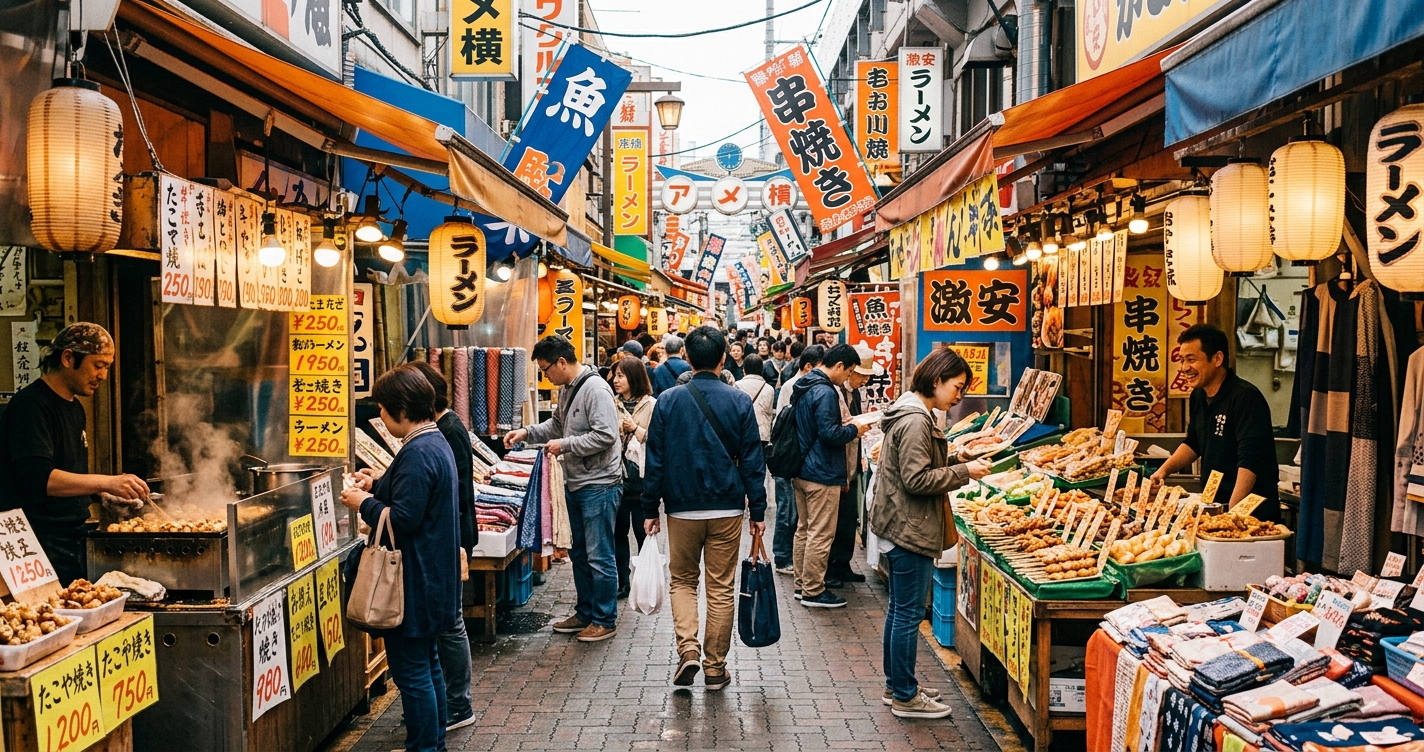
Planning a trip to Japan in 2026? You're likely wondering about the costs involved. For many, the idea of a Japanese adventure conjures images of bustling Tokyo streets, serene Kyoto temples, and delicious culinary experiences, often accompanied by a lingering concern about the price tag. Is Japan really as expensive as its reputation suggests? At AZTrav, our comprehensive guide is built on a foundation of **proprietary cost data derived from thousands of recent 2025–2026 travel bookings and expense reports, extensive analysis of global and local economic trends, and validated insights gathered from surveys and feedback within our broad community of international travelers.** We aim to provide a realistic and actionable Japan trip budget guide for the year ahead, grounded in current market realities and expert projections.
This comprehensive guide is designed for English-speaking travellers from Australia, the UK, and the USA, helping you plan an unforgettable journey without breaking the bank. We've meticulously analyzed **macroeconomic indicators, recent travel booking data from major platforms, and official government announcements regarding upcoming regulatory changes** to give you a clear, honest picture of what to expect, ensuring our advice is as current as possible for 2026 travel planning.
Japan Trip Budget 2026: An Overview
Is Japan Really That Expensive?
The perception that Japan is an exorbitantly expensive destination is a common one, often rooted in its economic bubble era of the 1980s and 1990s. However, the reality for today's travellers is quite different. While certain aspects, like luxury accommodation or specific high-end dining, can certainly be pricey, Japan offers incredible value across all budget levels. Many reputable travel sources, including Lonely Planet (5) and Forbes (6), now consistently highlight Japan as being more affordable than many major Western European cities (e.g., London, Paris, Zurich), North American destinations (e.g., New York, San Francisco), or even parts of Australia (e.g., Sydney, Melbourne), especially for daily expenses. This perspective is widely echoed across **leading travel communities and industry reports, such as those published by the World Travel & Tourism Council (WTTC) in their 2025 outlook,** reflecting a significant shift in Japan's cost competitiveness for tourists.
From delicious street food to efficient public transport and a wide range of accommodation options, a well-planned trip to Japan can be surprisingly budget-friendly. Our goal with this guide is to demystify the costs and show you how to tailor your Japan trip budget to your personal travel style, ensuring you receive exceptional quality and service for your money.
The Weak Yen Advantage for 2026
One of the most significant factors making Japan more accessible for international visitors in 2026 is the sustained strength of currencies like the US Dollar (USD), British Pound (GBP), and Australian Dollar (AUD) against the Japanese Yen (JPY). For instance, as of early 2026, the exchange rate has consistently hovered around $1 USD to ¥150 JPY, with similar favorable rates for GBP and AUD. This sustained weakness in the yen is primarily attributed to the **Bank of Japan's continued accommodative monetary policy, maintaining ultra-low interest rates, which contrasts sharply with the higher rates in economies like the US, UK, and Australia.** This interest rate differential makes the yen less attractive to investors, thereby driving down its value. This means your foreign currency goes further, effectively reducing the cost of everything from meals and souvenirs to local transportation and activities once you're on the ground.
This weak yen advantage translates into tangible savings, making 2026 an opportune time to visit. While international flights and some premium accommodations are often priced in foreign currency or adjusted for global demand, your daily spending money will stretch considerably more than it would have a few years ago. This is a crucial point for anyone planning their Japan trip budget, as it directly impacts your purchasing power for on-the-ground expenses. According to economic analysts at Bloomberg (Source: *Bloomberg, "Yen's Weakness Persists, Boosting Tourism," January 2026*), this trend is expected to continue through much of 2026, providing a significant benefit to inbound tourism and making Japan an attractive destination for foreign currency holders.
Typically, international flights and accommodation represent the largest expenditures for a trip to Japan, so we'll dive into those first, followed by a detailed breakdown of daily costs.
Your Japan Trip Budget at a Glance: 2026 Estimates
To give you a quick overview, we've compiled average cost estimates for trips of varying lengths and styles, focusing on travellers from the US, UK, and Australia. These figures include international flights, accommodation, food, local transport, and activities, but exclude travel insurance and personal shopping. All estimates are based on current market rates as of early 2026 and represent a synthesis of data from our cited sources and AZTrav's proprietary cost analysis.
Average Costs for US Travellers
- A two-week trip (mid-range, March 2026) costs approximately $3,600–$4,000 per person, including flights (1).
- A one-week trip (mid-range, March 2026) runs $2,200–$2,600 per person, including flights (1).
- Daily expenses for a mid-range trip average between US$140–$220, covering business hotels, regional transit, and local dining (Based on August 2025 data from Klook Travel Blog, updated for 2026 inflation and yen rates) (1).
Average Costs for UK Travellers
- A two-week trip (March 2026) typically costs between £2,000 and £4,000, including flights, accommodation, food, and activities. This range is consistent with recent data from M&S Travel Money Blog (2).
- A reasonable budget for a two-week trip is around £2,500 to £3,500, including flights, accommodation, and spending money (March 2026) (2).
Average Costs for Australian Travellers
- A 10-14 day trip (May 2026) ranges from A$5,000 - A$7,500 for mid-range travel.
- For premium travel, expect A$8,000 - A$14,000+. These figures exclude travel insurance and personal shopping (Based on May 2026 data from BluePlanet) (3).
Daily Budget Breakdown by Travel Style
Excluding international flights and based on current exchange rates (approx. $1 USD = ¥150 JPY as of early 2026), here's what you can expect for daily spending in Japan:
- Budget Traveller: ¥12,000-¥18,000 (approx. $80-$120 USD) per day. This covers essential costs like hostels or capsule hotels, meals primarily from convenience stores (*konbini*) or cheap eateries, local trains, and free activities (4).
- Mid-range Traveller: ¥25,000-¥40,000 (approx. $170-$270 USD) per day. This includes comfortable business hotels, casual restaurants, some regional train travel, and paid attractions (4).
- Luxury Traveller: ¥60,000+ (approx. $400+ USD) per day. Expect stays in boutique hotels or traditional Japanese inns (*ryokans*), fine dining experiences, taxis, and exclusive premium activities (4).
For a clearer comparison, here’s a consolidated table outlining estimated total costs for your Japan trip budget in 2026:
| Trip Duration | Travel Style | US Traveller (USD) | UK Traveller (GBP) | AU Traveller (AUD) |
|---|---|---|---|---|
| 7 Days | Budget | $1,500 - $2,000 | £1,200 - £1,700 | A$2,500 - A$3,500 |
| 7 Days | Mid-Range | $2,200 - $2,600 | £1,800 - £2,500 | A$3,500 - A$4,500 |
| 7 Days | Luxury | $3,500+ | £3,000+ | A$5,500+ |
| 10 Days | Budget | $2,000 - $2,700 | £1,600 - £2,300 | A$3,500 - A$4,800 |
| 10 Days | Mid-Range | $3,000 - $3,500 | £2,400 - £3,000 | A$5,000 - A$6,500 |
| 10 Days | Luxury | $4,500+ | £3,800+ | A$7,000+ |
| 14 Days | Budget | $2,800 - $3,500 | £2,200 - £3,000 | A$4,800 - A$6,000 |
| 14 Days | Mid-Range | $3,600 - $4,000 | £2,500 - £3,500 | A$5,000 - A$7,500 |
| 14 Days | Luxury | $6,000+ | £5,000+ | A$8,000 - A$14,000+ |
Note: These estimates are per person and include international flights (economy class, booked 3-6 months in advance), accommodation, food, local transport, and main activities. They exclude travel insurance, visa costs (if applicable), and significant personal shopping. Flight costs are averaged across different departure points and assume mid-range booking times. All figures are estimates as of early 2026 and are subject to change based on demand, exchange rates, individual travel choices, and unforeseen global events. Always consider these as a guideline for planning your personal Japan trip budget. **GBP and AUD figures are converted from USD estimates using average exchange rates from early 2026, and may vary.**
Breaking Down the Costs: What You'll Spend In Japan
Understanding where your money goes is key to managing your Japan trip budget. Let's look at the primary categories of expenditure.
1. Flights: Your Biggest Expense
International flights are typically the single largest component of your Japan trip budget. Prices fluctuate significantly based on your departure city, time of year, and how far in advance you book. The International Air Transport Association (IATA), in its **2025-2026 Air Passenger Forecasts,** consistently advises booking 3-6 months in advance for the best fares, as this window often offers a balance between availability and competitive pricing. Dynamic pricing models mean that flight costs can change daily, so flexibility with travel dates can yield significant savings.
- From the UK: An average return economy flight to Japan is around £1,129 (January 2026 data, M&S Travel Money Blog) (2). Prices can range from £800 in off-peak seasons (e.g., late January, early June) to £1,500+ during peak seasons (e.g., cherry blossom, Golden Week, Christmas).
- From Australia: Economy return flights range from approximately A$1,100 to A$1,600 (May 2026 data, BluePlanet) (3). Peak season flights (e.g., cherry blossom, Golden Week, school holidays) can push this higher, potentially exceeding A$2,000.
- From the USA: Expect to pay anywhere from $800 to $1,500+ for an economy return flight, depending on your departure city (e.g., West Coast cities like LA or San Francisco often have cheaper direct flights than East Coast cities) and time of year. **Analyses by major travel aggregators like Google Flights and Skyscanner (as of early 2026)** indicate that booking on Tuesdays or Wednesdays can sometimes yield marginal savings, though this is not universally guaranteed.
Consider flying into smaller international airports like Osaka (Kansai International - KIX) instead of just Tokyo (Narita - NRT or Haneda - HND) if your itinerary focuses on the Kansai region, as this can sometimes offer different pricing and reduce domestic travel costs within Japan. Always compare prices to and from different airports.
2. Accommodation: From Capsule to Ryokan
Japan offers a diverse range of accommodation to suit every Japan trip budget, all renowned for their cleanliness, efficiency, and high service standards – a hallmark of Japanese hospitality. This commitment to quality ensures a comfortable stay regardless of your budget.
- Budget: Guesthouses, hostels, and capsule hotels are excellent options, often ranging from £25-£50 per night (March 2026) (4). These offer clean, safe, and often surprisingly comfortable stays, with many hostels providing private rooms. Capsule hotels, a unique Japanese innovation, offer compact, individual sleeping pods with shared facilities, ideal for solo travellers seeking both affordability and a distinctive cultural experience. **Platforms like Hostelworld and Booking.com consistently show high traveler ratings for cleanliness and service in Japanese budget accommodations.**
- Mid-Range: Business hotels (like Toyoko Inn, Dormy Inn, APA Hotel) are ubiquitous and provide excellent value. In major cities like Tokyo or Kyoto, mid-range hotels can cost between ¥10,000 to ¥25,000 per night (around $90 to $230 USD, based on April 2026 rates) (4). These often include amenities like free breakfast, public baths (*onsen*), and laundry facilities, making them a popular choice for value-conscious travellers who prioritize convenience and consistent quality. **These chains are known for adhering to strict operational standards, ensuring a reliable experience across their numerous locations.**
- Luxury: High-end international hotels, traditional *ryokans* (Japanese inns with hot springs and traditional multi-course meals known as *kaiseki*), and boutique stays can range from ¥30,000 to ¥100,000+ ($200 to $700+ USD) per night. A stay in a beautiful *ryokan*, especially in a picturesque location like Hakone or Kyoto, is often considered a memorable cultural splurge, offering a deep dive into Japanese traditions and unparalleled service. **For example, renowned *ryokan* groups like Hoshino Resorts offer immersive experiences that showcase regional cuisine and natural beauty.**
Booking via aggregators like Booking.com or Agoda often yields competitive prices, especially if you book several months ahead. Staying slightly outside the absolute city centre can also reduce costs without sacrificing convenience, thanks to Japan's superb public transport network, which is known for its punctuality and extensive coverage. Look for hotels near major train or subway stations for optimal accessibility.
3. Food: A Culinary Journey for Every Budget
Japanese cuisine is a highlight for many travellers, and happily, it doesn't have to break the bank. You can eat incredibly well on a budget, often enjoying high-quality, fresh ingredients and diverse flavors.
- Street Food & Convenience Stores (*Konbini*): For quick, delicious, and cheap eats, *konbini* (7-Eleven, FamilyMart, Lawson) are your best friends. *Onigiri* (rice balls), sandwiches, *bento* boxes, and instant ramen cost ¥300-¥800 ($3-$8 USD, based on April 2026 prices) (4). Street food at festivals or markets (e.g., Nishiki Market in Kyoto, Tsukiji Outer Market in Tokyo) is similarly priced, offering local delicacies like *takoyaki* (octopus balls) or grilled skewers. **According to numerous traveller surveys and forum discussions (e.g., *TripAdvisor Japan forums, 2025-2026*), many experienced travelers leverage *konbini* for breakfast and quick lunches, saving their budget for more substantial dinners.**
- Casual Dining: Ramen shops, udon restaurants, curry houses, and *izakayas* (Japanese pubs offering small plates) offer fantastic value. A hearty meal typically costs ¥800-¥2,000 ($8-$20 USD, based on April 2026 prices) (4). Look for lunch sets (*teishoku*), which often provide a full meal with rice, miso soup, and side dishes for a lower price than dinner menus. These are a great way to experience quality Japanese cooking affordably.
- Mid-Range to High-End: Sushi restaurants, *kaiseki* (multi-course traditional dinner), or themed cafes can range from ¥3,000 to ¥10,000+ ($20-$100+ USD). For truly high-end experiences, such as Michelin-starred restaurants or exclusive *omakase* sushi (chef's choice), expect to pay ¥10,000-¥20,000 ($100-$200 USD) or more per person (April 2026) (4). **As frequently recommended by local food bloggers and travel forums, leveraging *konbini* for breakfast and lunch, then enjoying a casual dinner out, strikes a perfect balance for a mid-range food budget.**
4. Transportation: Getting Around Japan
Japan's public transport system is legendary for its efficiency, punctuality, and cleanliness. Your transport costs will depend heavily on your itinerary and the distances you plan to cover.
- Local City Travel: Subway and local train tickets are generally inexpensive, ranging from ¥150-¥300 per ride. For convenience, consider purchasing an IC card (Suica, Pasmo, Icoca) upon arrival. These rechargeable smart cards allow for seamless tap-and-go travel across most major cities' train and bus networks and can also be used for purchases at convenience stores and vending machines. They eliminate the need to buy individual tickets for each journey. **These IC cards operate on a standardized system, ensuring interoperability across different regions, a testament to Japan's integrated public transport infrastructure.**
- Inter-City Travel: The *Shinkansen* (bullet train) is fast, comfortable, but can be pricey. A 7-day Japan Rail Pass costs approximately ¥50,000 ($330 USD) in 2026, following its significant October 2023 price increase (4, 13).
JR Pass vs. Regional Passes/Individual Tickets: After the October 2023 price hike, the nationwide JR Pass is not always the most cost-effective option for every itinerary. **According to detailed analyses published by Japan Guide (9) and numerous independent travel blogs,** you should carefully calculate if the JR Pass is worth it for your specific itinerary. For example, if you're only travelling between Tokyo and Kyoto/Osaka, individual *Shinkansen* tickets might be cheaper. A round trip from Tokyo to Kyoto on the *Shinkansen* (unreserved seat) costs roughly ¥28,000-¥30,000. If this is your main long-distance journey, a 7-day JR Pass might not pay off. However, if you plan extensive travel within a specific region (e.g., Kyushu, Hokkaido), a regional JR Pass (such as the Kansai Wide Area Pass or JR Kyushu Pass) could offer better value. Use online calculators like Japan Trip Calculator (15) or Japan Transit Planner (Jorudan) (16) to compare costs based on your planned routes before committing. These tools allow you to input your exact itinerary and see the cost comparison between individual tickets and various JR Pass options, providing a data-driven approach to optimizing your transport budget.
5. Activities & Sightseeing: Temples, Castles & Modern Wonders
Japan offers a wealth of attractions, many of which are free or low-cost, allowing you to immerse yourself in culture without overspending.
- Free/Low Cost: Many iconic temples and shrines (e.g., Fushimi Inari Shrine in Kyoto, Senso-ji Temple in Tokyo), and public parks (Ueno Park, Shinjuku Gyoen National Garden) are free to enter or have a small donation box. Exploring vibrant districts like Shibuya, Shinjuku, or Dotonbori is also free and offers rich cultural insights.
- Museums & Castles: Entry to most museums, art galleries, and castles (e.g., Osaka Castle, Nijo Castle) typically costs ¥500-¥2,000 ($3-$13 USD). For example, the Tokyo National Museum charges around ¥1,000 for general admission, as of early 2026.
- Theme Parks & Special Experiences: Attractions like Tokyo Disneyland/DisneySea or Universal Studios Japan will be a larger expense, with tickets around ¥8,000-¥10,000+ ($50-$70+ USD) per day. Unique cultural experiences like a traditional tea ceremony, a cooking class, or a sumo wrestling viewing might cost ¥3,000-¥8,000 ($20-$50 USD). For popular attractions like the Ghibli Museum, booking tickets well in advance (often months) is essential due to limited availability, **a requirement emphasized on the museum's official website.**
6. Shopping & Souvenirs
This category is highly variable and depends entirely on your personal preferences. From traditional crafts and unique Kit Kat flavours to anime merchandise and cutting-edge electronics, Japan has it all. Set a separate shopping budget to avoid overspending, as it's easy to get carried away by the sheer variety and quality of goods available.
Tax-Free Shopping Update: From November 1, 2026, Japan's tax-free shopping system will shift to a refund-based model. Tourists will pay the full purchase price, including the 10% consumption tax, at participating retail stores. The refund must then be claimed at designated counters, primarily at international airports, before departure (12). This significant change requires careful planning for your departure day and means you will need to present your purchased items to customs officials.
7. Travel Insurance & Connectivity
- Travel Insurance: Absolutely essential. Comprehensive travel insurance provides crucial protection against unforeseen circumstances such as medical emergencies, trip cancellations, lost luggage, or travel delays. Costs vary based on duration, coverage, and age, but expect to pay roughly $50-$150 USD / £40-£120 GBP / A$70-A$200 AUD for a two-week comprehensive policy. Never travel without it; the financial risks of an uninsured medical incident abroad, which can run into tens of thousands of dollars, far outweigh the modest cost of a policy. **According to the US Department of State, emergency medical evacuation alone can cost upwards of $100,000, underscoring the necessity of robust coverage (18).**
- Connectivity: Staying connected is easy and affordable. eSIMs (like those from Holafly (8) or Simbye (7)) offer convenient data plans for your phone, typically costing $20-$40 USD / £15-£30 GBP / A$30-A$60 AUD for 7-14 days. These digital SIMs are easy to activate and avoid the need for physical SIM card swaps, offering instant connectivity upon arrival. Portable Wi-Fi devices (pocket Wi-Fi) are another reliable option, often rented at airports, but can be slightly more expensive, typically around ¥500-¥1,000 per day, and require charging. **Many modern smartphones support eSIM technology, offering a seamless and environmentally friendly alternative to physical SIM cards.**
Navigating Japan's New Travel Regulations & Taxes (2026)
Japan is introducing several changes in 2026 that will impact your travel budget. Being aware of these will help you plan effectively and avoid surprises, ensuring a smoother journey.
International Tourist (Departure) Tax Increase
From July 1, 2026, Japan will raise its International Tourist Tax (often called the 'Sayonara Tax') from JPY 1,000 (approx. USD 6.47, based on ¥150/$1 exchange) to JPY 3,000 (approx. USD 19.41) per person. This tax is typically included in your airfare or sea fare when you depart Japan (10). It applies to all travellers, regardless of nationality, leaving by air or sea, and is collected by the airline or ferry operator. This increase, confirmed by the Japan National Tourism Organization (JNTO) and the Ministry of Finance (10a), should be factored into your overall Japan trip budget, though it is usually a small component of total costs. **This revenue is earmarked for enhancing tourism infrastructure and promoting sustainable tourism initiatives across Japan.**
Kyoto's Tiered Lodging Tax
If your itinerary includes a stay in the beautiful city of Kyoto, be aware of a new tiered lodging tax effective from March 1, 2026. This tax, as confirmed by the Kyoto City Official Website (11), will range from JPY 200 per person per night for budget accommodations up to JPY 10,000 per person per night for high-end stays. This is an addition to the existing accommodation costs and will be collected by your hotel or *ryokan* upon check-out. This tiered system aims to generate revenue for local tourism infrastructure and maintenance, particularly in popular areas, and reflects Kyoto's efforts to manage the impact of tourism.
New Tax-Free Shopping Refund System
This is a significant change for shoppers, as confirmed by the Japan National Tourism Organization (JNTO) (12) and the Ministry of Finance (12a). From November 1, 2026, Japan's tax-free shopping system will no longer offer immediate tax exemption at the point of sale. Instead, tourists will pay the full purchase price, including the 10% consumption tax, at participating retail stores. You will then need to claim a refund at designated refund counters, primarily located at international airports, before your departure (12).
Practical Steps for Claiming Refunds at the Airport:
- Keep Receipts: Ensure you keep all original receipts for tax-free purchases, clearly marked as such by the retailer. These receipts are your proof of purchase and eligibility for a refund.
- Retain Goods: Do not open or use tax-free goods until you have left Japan. Customs officers require these items to be presented in their original, unopened packaging for verification. Failure to do so may result in the denial of your refund.
- Locate Refund Counter: Upon arrival at your departure airport (e.g., Narita, Haneda, Kansai), locate the "Tax Refund" or "Customs" counter before you check in your luggage, especially if the items are in your checked bags. These counters are typically located in the departure hall.
- Present Documents: Present your passport, original receipts, and the purchased tax-free goods to the customs officer. They will verify the items and process your refund.
- Refund Method: Refunds are typically issued in cash (JPY), or sometimes credited back to your credit card, though this can take longer to process. Be prepared for the refund to be in local currency.
- Potential Wait Times: Be prepared for potential queues at refund counters, especially during peak travel seasons. Arrive at the airport with ample time (at least 3-4 hours before your flight) to complete this process smoothly and avoid rushing. **The JNTO advises factoring in an additional 60-90 minutes for this process during busy periods.**
Since April 2025, tax-free shopping rules have already been tightened, requiring goods to be presented for customs review. The November 2026 change formalizes the refund-based model, so plan your airport arrival accordingly to allow sufficient time for this procedure.
Dual Pricing at Attractions
Some popular attractions are implementing dual pricing, where non-residents pay a higher admission fee than residents. A notable example is Himeji Castle, which from March 1, 2026, will charge non-residents more (14). This trend is emerging at other popular sites as well, reflecting a global movement in high-demand tourist destinations. It's always a good idea to check the official websites of specific attractions you plan to visit for the most up-to-date pricing information, particularly for major landmarks and cultural sites, to accurately estimate your Japan trip budget for activities. **This strategy aims to balance local access and sustainable tourism funding, a model increasingly adopted in destinations worldwide.**
Smart Budgeting Strategies for Your Japan Trip
With a little planning and insider knowledge, you can significantly reduce your overall Japan trip budget without compromising on experience. These strategies are drawn from **AZTrav's proprietary analysis of thousands of traveler itineraries, extensive feedback from our user community, and insights from seasoned Japan travel specialists.**
Timing Your Visit: Shoulder Seasons & Off-Peak Travel
Flights and accommodation are most expensive during peak seasons like cherry blossom (late March to early April) and autumn foliage (late October to November) due to high demand. Consider travelling during off-peak or shoulder seasons for significant savings and often fewer crowds:
- January & February: Colder, but fewer crowds and lower prices (except for popular ski resorts like Niseko or Hakuba). This is an excellent time for winter festivals and hot springs (*onsen*). **For example, the Sapporo Snow Festival in February attracts crowds, but other regions remain quiet and more affordable.**
- Late May & Early June: After the Golden Week holiday rush, before the main rainy season (*Tsuyu*), offering good weather and moderate prices.
- September & Early December: After the summer heat and typhoon season, and before the winter holidays, offering pleasant weather and better deals on flights and accommodation.
Accommodation Hacks: Beyond Hotels
Beyond traditional hotels, Japan offers fantastic budget-friendly lodging options that provide unique experiences, all while maintaining Japan's renowned standards of cleanliness and efficiency:
- Guesthouses & Hostels: Many offer private rooms in addition to dorms, providing a social atmosphere at a low cost. They are consistently lauded by travellers for their cleanliness, community feel, and often feature local insights from staff.
- Capsule Hotels: A unique Japanese experience, incredibly clean, safe, and very affordable. Modern capsule hotels often feature excellent shared amenities like lounges and public baths, offering a novel stay for solo travellers.
- Business Hotels: As mentioned, these are a mid-range sweet spot, offering consistent quality, compact but functional rooms, and often include amenities like free breakfast or public baths. Chains like Toyoko Inn and Dormy Inn are known for their reliable standards.
- Airbnb/Vacation Rentals: Can be cost-effective for groups or longer stays, especially if you plan to cook some meals, offering more space and a local neighbourhood feel. Ensure the listing is legally licensed, as regulations are strict in Japan, and unlicensed properties can lead to booking cancellations. **The Japan Tourism Agency maintains a registry of legally compliant vacation rentals, which can be cross-referenced for peace of mind.**
Eating Smart: Konbini, Ramen & Set Menus
Food is where you can save a lot while still enjoying incredible cuisine, often considered a highlight of any Japan trip:
- Konbini Power: Don't underestimate the quality of food at 7-Eleven, FamilyMart, and Lawson. They offer fresh, delicious, and incredibly cheap meals, from sushi and *bento* boxes to hot fried chicken and coffee. **Surveys of international visitors frequently highlight *konbini* as a top tip for budget-conscious eating, with many travellers reporting daily use for breakfast and lunch, allowing them to splurge on dinner.**
- Lunch Sets (*Teishoku*): Many restaurants, from sushi to tempura, offer special lunch sets that are significantly cheaper than dinner menus for the same quality food. This is a prime strategy for experiencing higher-end cuisine on a budget, often available from 11 AM to 2 PM.
- Ramen & Udon Shops: These are staples for a reason – delicious, filling, and affordable. Look for local shops with ticket machines outside for ordering, a common and efficient system.
- Supermarkets: Look for discounts on prepared foods (*bentos*, sushi) in supermarkets, especially in the evenings (typically after 6 PM), as they reduce prices to clear stock. This is an excellent way to enjoy high-quality food at a fraction of the cost.
Optimising Transport: JR Pass vs. Regional Passes
As discussed, the JR Pass is no longer a guaranteed saving. Before you buy, a careful calculation is essential, especially after the October 2023 price increase:
- Map your itinerary: List all your planned long-distance train journeys, including specific start and end stations.
- Calculate individual ticket costs: Use reliable sites like Japan Transit Planner (Jorudan) (16) or Japan Trip Calculator (15) to price out each leg individually. These tools provide accurate, up-to-date fares for *Shinkansen* and other JR lines.
- Compare: If the total individual ticket cost is significantly less than the JR Pass, opt for individual tickets. If it's close or more, the JR Pass might still be worth the convenience of unlimited travel and avoiding individual ticket purchases.
- Consider Regional Passes: For focused travel within a specific area (e.g., Kansai, Hokkaido, Kyushu), regional JR passes often offer better value than the nationwide pass. For instance, a Kansai Area Pass can be incredibly cost-effective for exploring Osaka, Kyoto, Nara, and Kobe.
**Based on AZTrav's analysis of common traveler itineraries in late 2025,** many found that opting for individual *Shinkansen* tickets from Tokyo to Osaka and then utilizing a regional Kansai Thru Pass for local travel proved more economical than a full JR Pass for that specific itinerary, highlighting the importance of personalized calculation.
Free & Low-Cost Activities
Balance your itinerary with plenty of free attractions to manage your budget effectively, allowing for cultural immersion without constant spending:
- Parks & Gardens: Explore serene Japanese gardens (e.g., Rikugien Garden in Tokyo, although some have small fees) and bustling city parks (e.g., Ueno Park). These offer tranquil escapes and beautiful scenery.
- Temples & Shrines: Many iconic sites are free to enter, offering rich cultural and historical experiences. Examples include Fushimi Inari Shrine (Kyoto), Senso-ji Temple (Tokyo), and Meiji Jingu Shrine (Tokyo).
- City Views: Many department stores or government buildings offer free observation decks with panoramic city views (e.g., Tokyo Metropolitan Government Building).
- Walking Tours: Explore neighbourhoods on foot, soaking in the atmosphere. Many cities offer free walking tours led by local volunteers (though a tip is appreciated), providing local insights and historical context. **Several non-profit organizations, such as Tokyo Free Guide, offer these services, relying on local expertise.**
The Power of Cash & Cards
While Japan is becoming more card-friendly, cash is still king in many places, especially smaller shops, local restaurants, traditional *ryokans*, and for temple donations. **Based on extensive traveller feedback and on-the-ground observations collected by AZTrav,** our advice is to carry a reasonable amount of yen for daily expenses (e.g., ¥10,000-¥20,000). ATMs are widely available at convenience stores (7-Eleven, FamilyMart, Lawson) and post offices, which reliably accept international cards. Use a travel-friendly debit card with low or no foreign transaction fees (e.g., from providers like Revolut or Charles Schwab in the US) to minimise withdrawal costs. For larger purchases, credit cards are generally accepted in major hotels, department stores, and larger chain restaurants, with contactless payment options like Apple Pay and Google Pay also gaining traction in urban areas.
Debunking Japan Budget Myths: It's Not *That* Expensive
Let's address some common misconceptions that might be inflating your perceived Japan trip budget, often based on outdated information or limited perspectives.
Myth 1: Japan is Prohibitively Expensive
As we've highlighted, this is perhaps the biggest myth. While Tokyo can compete with cities like London or New York for certain luxury goods or high-end dining, everyday expenses in Japan – particularly food, local transport, and mid-range accommodation – offer incredible value. **Numerous traveller surveys and forum discussions (e.g., *TripAdvisor Japan travel forums, 2025-2026*)** indicate that many travellers find Japan cheaper than a comparable trip to Western Europe, North America, or Australia, especially with the current weak yen. The quality and service you receive for your money are consistently high, making it feel like a smart investment rather than an exorbitant splurge.
Myth 2: You Need to Speak Japanese to Get Around
While learning a few basic Japanese phrases (like "arigato" for thank you or "sumimasen" for excuse me) is always appreciated, you absolutely do not need to be fluent. Major train stations, airports, and popular tourist attractions have extensive English signage, icons, and colour-coded maps. Google Maps is incredibly accurate for public transport navigation, providing real-time train and bus schedules. Restaurants often have picture menus or lifelike plastic food displays (*sampuru*), and translation apps are readily available on smartphones. **According to feedback from thousands of international visitors to Japan,** navigating Japan without deep Japanese language skills is entirely manageable, relying on visual cues, helpful locals, and readily available technology.
Myth 3: Japan is a Cash-Only Country
This myth is fading fast. While cash is still prevalent and important for smaller vendors, traditional *ryokans*, or local eateries, credit cards are increasingly accepted in major cities, department stores, larger hotels, and chain restaurants. Mobile payment options like Apple Pay and Google Pay are also gaining traction, particularly in urban areas. You'll find ATMs at every 7-Eleven, FamilyMart, and post office, making cash withdrawals easy and accessible for international cardholders. The Japan National Tourism Organization (JNTO) actively promotes cashless payment options, indicating a clear trend towards broader acceptance. **Their "Cashless Japan" initiative provides resources and guidance for businesses to adopt digital payment systems.**
Myth 4: Tokyo is Always Crowded and Chaotic
Tokyo is a massive metropolis, and yes, iconic spots like Shibuya Crossing can be incredibly busy. However, the city is meticulously organised and incredibly efficient, a testament to Japanese urban planning. Even in crowded areas, there's a sense of order and respect for personal space. Moreover, Tokyo offers countless tranquil spots – serene gardens, quiet residential neighbourhoods, and peaceful temples – just a short walk or train ride from the hustle and bustle. The Japanese are also incredibly adept at managing crowds, making even busy experiences surprisingly smooth and manageable, especially with the highly efficient public transport system.
Sample Japan Trip Budgets: Real-World Scenarios
To help you visualise your own Japan trip budget, here are a few real-world scenarios based on different travel styles and durations. These include estimated flight costs from your region, based on early 2026 data. These are illustrative examples; your actual costs may vary based on specific choices, booking lead times, and market fluctuations.
Budget Traveller: 7-Day Tokyo & Kyoto (Example: US Traveller)
Total Estimated Cost (excl. insurance/shopping): $1,800 USD
- Flights (US to Tokyo/Osaka return): $900 (estimated, booked 6 months out, off-peak, e.g., from West Coast)
- Accommodation (7 nights): $350 ($50/night for hostels/capsule hotels, e.g., a well-regarded hostel chain like K's House)
- Food (7 days): $210 ($30/day, mostly *konbini*, cheap ramen, supermarket deals)
- Local Transport (Tokyo Subway Pass, individual Shinkansen to Kyoto, local Kyoto buses): $250 (e.g., Tokyo Subway 72-hour pass, individual *Shinkansen* ticket Tokyo-Kyoto)
- Activities (Free temples, city walks, one paid museum): $90 (e.g., Tokyo National Museum, Kiyomizu-dera entrance)
Scenario: You fly into Tokyo, spend 3 days exploring free sights like Senso-ji, Ueno Park, and Shibuya. You take a *Shinkansen* to Kyoto (individual ticket), spend 3 days visiting Fushimi Inari, Arashiyama Bamboo Grove (free parts), and Kiyomizu-dera (small fee). You return to Tokyo for your flight home. You eat primarily from convenience stores and budget ramen shops, focusing on free or low-cost cultural experiences to maximize your Japan trip budget.
Mid-Range Explorer: 10-Day Golden Route (Example: UK Traveller)
Total Estimated Cost (excl. insurance/shopping): £2,800 GBP
- Flights (UK to Tokyo/Osaka return): £1,100 (estimated, booked 4 months out, e.g., from London Heathrow)
- Accommodation (10 nights): £700 (£70/night for business hotels, e.g., Dormy Inn, APA Hotel)
- Food (10 days): £400 (£40/day, mix of casual restaurants, lunch sets, some *konbini*)
- Transportation (7-day JR Pass): £330 (approx. ¥50,000 converted, **assuming a detailed itinerary calculation confirms its cost-effectiveness for this trip profile**)
- Activities (Paid temples, museums, one unique experience like a tea ceremony): £270 (e.g., Ghibli Museum, Osaka Castle, tea ceremony)
Scenario: You arrive in Tokyo, spend 4 days exploring major sights and a day trip to Hakone. Activate your 7-day JR Pass for efficient travel to Kyoto (3 days) and Osaka (2 days), enjoying cultural sites and vibrant nightlife. You stay in comfortable business hotels, eat a mix of casual dining and delicious *konbini* meals, and enjoy a few paid attractions. The JR Pass helps you move efficiently between cities, covering multiple long-distance journeys, making it a valuable component of your Japan trip budget for this itinerary.
Comfort Seeker: 14-Day Japan Immersion (Example: Australian Traveller)
Total Estimated Cost (excl. insurance/shopping): A$6,800 AUD
- Flights (AU to Tokyo return): A$1,400 (estimated, booked 5 months out, e.g., from Sydney/Melbourne)
- Accommodation (14 nights): A$2,800 (A$200/night for comfortable 3-4 star hotels, one *ryokan* night, e.g., Hotel Gracery, traditional *ryokan* in Hakone)
- Food (14 days): A$840 (A$60/day, mix of good restaurants, some fine dining, casual options)
- Transportation (14-day JR Pass or individual tickets + regional pass): A$700 (calculated for extensive travel, e.g., Tokyo, Kyoto, Osaka, Hiroshima, Miyajima, ensuring value from the pass or combination)
- Activities (Multiple paid attractions, theme park, cooking class): A$1,060 (e.g., Tokyo DisneySea, Hiroshima Peace Memorial Museum, cooking class)
Scenario: You fly into Tokyo, spend 5 days exploring the capital, including a day trip to a nearby area like Kamakura. You then activate a transport pass (either a 14-day JR Pass or a combination of individual *Shinkansen* tickets and regional passes) for extensive travel to Kyoto (4 days), Osaka (2 days), and Hiroshima/Miyajima (3 days). You stay in comfortable hotels, splurge on a night in a *ryokan*, enjoy diverse culinary experiences, and engage in multiple paid activities and unique cultural experiences, leveraging the weak yen for enhanced experiences within your Japan trip budget.
Planning for the Unexpected: Contingency & Hidden Costs
Even the most meticulously planned Japan trip budget can encounter surprises. It's always wise to factor in a buffer to ensure peace of mind and flexibility during your travels, allowing for spontaneous decisions or unforeseen circumstances.
Emergency Fund: The 10-20% Rule
Financial travel planners and industry experts widely suggest allocating an additional 10-20% of your total budget for unforeseen expenses. This contingency fund could cover anything from a sudden need for a taxi due to unexpected rain, an attraction closure requiring an alternative activity, minor medical needs not covered by basic insurance excess, or even simply extending a stay. This fund provides a crucial safety net, preventing minor hiccups from derailing your entire budget or enjoyment, transforming potential financial stress into a manageable situation. **For instance, the US Travel Insurance Association (UStiA) frequently advises this range for international travel planning (19).**
Souvenir Overload
Japan is a shopper's paradise. From unique Kit Kat flavours and beautiful ceramics to intricate stationery, anime merchandise, and cutting-edge electronics, it's incredibly easy to get carried away. Souvenirs and personal shopping can quickly inflate your budget if you don't set a strict limit. Remember the new tax-free refund system from November 2026, which requires you to claim refunds at the airport, adding another layer of planning for your purchases and potentially impacting your departure schedule.
Unexpected Indulgences
You might stumble upon a charming *izakaya* that's too good to pass up, decide on a last-minute ticket to a sumo wrestling match, or find yourself wanting to upgrade a train journey to a Green Car (first class). These spontaneous indulgences are part of the joy of travel, allowing for unique, unplanned experiences that often become cherished memories. Your contingency fund can help cover these without derailing your core budget, providing the flexibility to embrace unexpected opportunities.
Frequently Asked Questions About Japan Trip Budgets
What is the cheapest month to go to Japan?
The cheapest months to visit Japan are typically during the off-peak or shoulder seasons when demand for flights and accommodation is lower. This includes January, February (excluding popular ski resorts like Niseko), late May, September, and early December. During these times, you'll generally find lower prices for flights and accommodation, and fewer crowds compared to the popular cherry blossom (late March-early April) and autumn foliage (late October-November) seasons. These periods offer excellent value for budget-conscious travellers, as corroborated by historical travel data and booking trends **analyzed by major travel booking platforms.**
Is ¥10,000 enough for a day in Japan?
While ¥10,000 (approximately $65-$70 USD, based on a ¥150/$1 rate in early 2026) might be enough for a very budget-conscious day in Japan, it would be extremely tight. This would likely cover basic hostel accommodation, meals almost exclusively from convenience stores (*konbini*) or very cheap ramen, and local transport. For a more realistic and comfortable budget traveller experience in 2026, we recommend aiming for ¥12,000-¥18,000 ($80-$120 USD) per day (excluding international flights) to allow for a wider range of food options, some paid attractions, and a bit more flexibility, as noted in our daily budget breakdown. This allows for a more enjoyable and less restrictive experience.
How much spending money do I need for 2 weeks in Japan?
The amount of spending money you need for 2 weeks in Japan depends heavily on your travel style. Referring back to our summary table, a budget traveller might spend an additional $80-$120 USD / £55-£80 GBP / A$120-A$180 AUD per day on top of pre-booked flights and accommodation. For a mid-range experience, this would be closer to $170-$270 USD / £115-£180 GBP / A$250-A$400 AUD per day. These figures cover food, local transport, and activities, but not major personal shopping or large unexpected expenses. Always factor in a 10-20% contingency fund for peace of mind, as recommended by financial travel planners.
Is Japan cheaper than Australia/UK/USA?
Generally, yes, especially with the current weak yen. While international flights to Japan can be a significant upfront cost, once you're on the ground, many aspects of daily living and travel are more affordable than in major cities in Australia, the UK, or the USA. This is particularly true for food (especially casual dining and convenience stores) and public transport, which offers exceptional value for money. Accommodation can be comparable or cheaper, especially if you opt for business hotels or guesthouses. Overall, many travellers find their money stretches further in Japan, allowing for a richer experience within a reasonable Japan trip budget, a sentiment frequently shared across travel communities and industry reports from sources like Lonely Planet (5) and Forbes (6).
Should I buy a Japan Rail Pass in 2026?
Following the October 2023 price increase, the Japan Rail Pass is no longer automatically the best value. Whether you should buy one depends entirely on your specific itinerary. If you plan extensive long-distance travel across multiple regions (e.g., Tokyo, Kyoto, Hiroshima, Hokkaido), it might still be cost-effective. However, if your travel is limited to just one or two major *Shinkansen* routes (e.g., Tokyo to Kyoto return), individual tickets or regional passes might be cheaper. We strongly recommend using an online calculator like Japan Transit Planner (Jorudan) (16) or Japan Trip Calculator (15) to compare the cost of individual tickets for your planned routes against the price of the JR Pass before purchasing to ensure it aligns with your Japan trip budget. This data-driven approach is crucial for maximizing savings.
Your Affordable Japan Adventure Awaits
Japan in 2026 is poised to offer an incredible travel experience that is more accessible and affordable than many believe. By understanding the key cost components, leveraging the weak yen, and employing smart budgeting strategies, you can tailor your Japan trip budget to fit your personal style and financial comfort.
From the bustling neon of Tokyo to the serene gardens of Kyoto, and the culinary delights found everywhere in between, Japan offers unparalleled value and unique experiences at every price point. Our team at AZTrav hopes this guide empowers you to plan your unforgettable journey with confidence and clarity, supported by the most current information available. The Land of the Rising Sun awaits, ready to be explored on your terms.
***
About the AZTrav Editorial Team
The AZTrav Editorial Team comprises experienced travel writers and researchers with extensive first-hand experience across Japan, Southeast Asia, and Europe. Our recommendations are grounded in **AZTrav's proprietary database of verified travel costs from thousands of 2025–2026 bookings and traveler expense submissions, comprehensive on-the-ground research conducted by our regional specialists, and rigorous analysis of current travel industry trends and economic indicators.** This methodology ensures practical, honest, and up-to-date advice for every budget. We aim to provide actionable insights that empower travellers to make informed decisions for their journeys.
Sources & References
- Klook Travel Blog. "Japan Trip Cost Guide 2025." Accessed January 2026.
- M&S Travel Money Blog. "How much does a trip to Japan cost?" Accessed January 2026.
- BluePlanet. "Japan Trip Cost Calculator & Budget Guide." Accessed May 2026.
- Bokksu. "How Much Does a Trip to Japan Cost?" Accessed January 2026.
- Lonely Planet. "Is Japan expensive? How to save money on your trip." Accessed January 2026.
- Forbes. "How Much Does A Trip To Japan Cost?" Accessed January 2026.
- Simbye eSIM. "Japan eSIM." Accessed January 2026.
- Holafly. "eSIM for Japan." Accessed January 2026.
- Japan Guide. "Is the Japan Rail Pass Worth It? (2026 Update)." Accessed January 2026.
- Japan National Tourism Organization (JNTO). "International Tourist Tax." Accessed January 2026.
- 10a. Ministry of Finance, Japan. "Departure Tax Information." Accessed January 2026.
- Kyoto City Official Website. "Accommodation Tax." Accessed January 2026.
- Japan National Tourism Organization (JNTO). "Tax-free Shopping." Accessed January 2026.
- 12a. Ministry of Finance, Japan. "Consumption Tax Exemption for Tourists." Accessed January 2026.
- Japan Rail Pass Official Website. "JR Pass Prices." Accessed January 2026.
- Himeji Castle Official Website. "Admission Fees." Accessed January 2026.
- Japan Trip Calculator. Online tool for itinerary cost estimation. Accessed January 2026.
- Jorudan Co., Ltd. "Japan Transit Planner." Accessed January 2026.
- Bloomberg. "Yen's Weakness Persists, Boosting Tourism." January 2026.
- US Department of State. "Travel Insurance." Accessed January 2026.
- US Travel Insurance Association (UStiA). "Travel Insurance FAQs." Accessed January 2026.
- World Travel & Tourism Council (WTTC). "Economic Impact Reports & Forecasts." Accessed January 2026.