
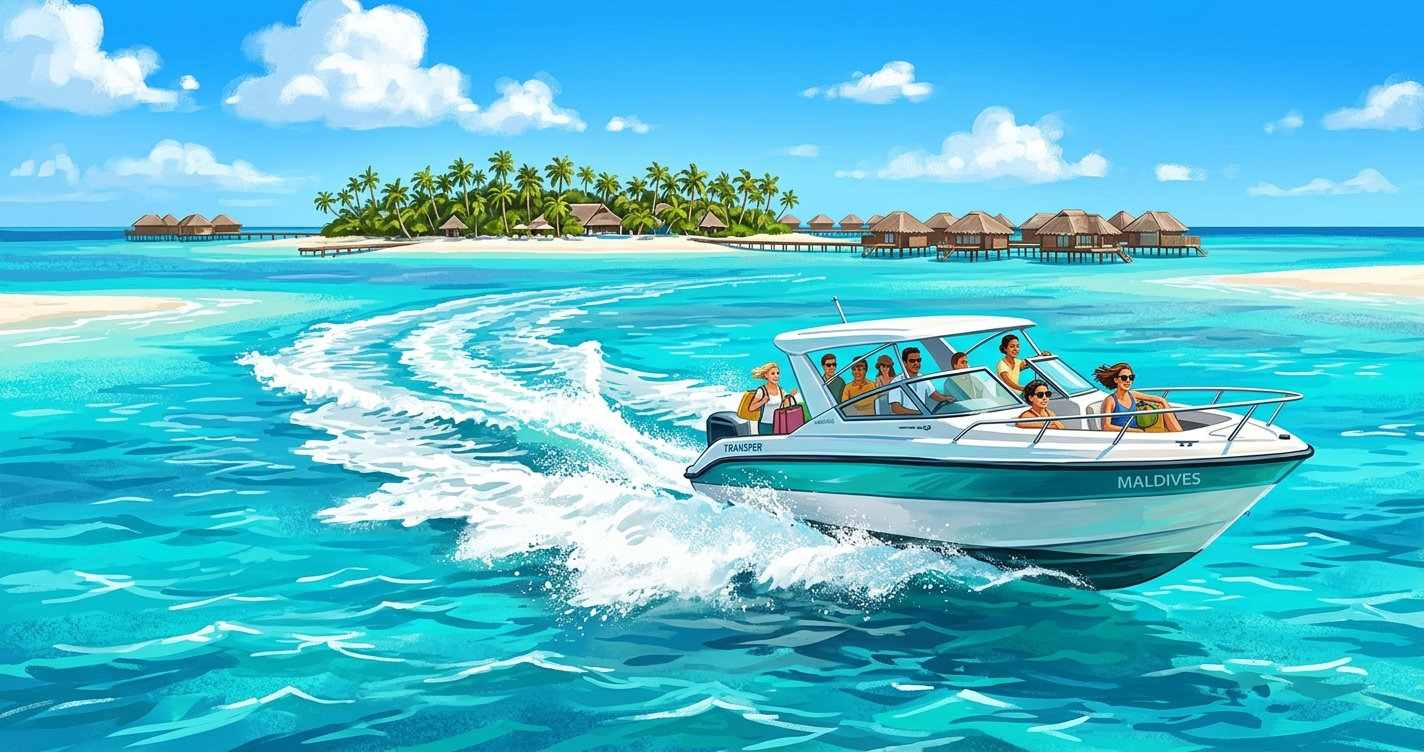
The Maldives: a name that conjures images of pristine white sands, crystal-clear turquoise waters, and luxurious overwater bungalows. It's a dream destination for many, but often comes with the perception of being exclusively for the ultra-wealthy. While it's true that the Maldives can be an incredibly luxurious experience, the cost to go to Maldives can actually vary dramatically, from surprisingly budget-friendly local island stays to the opulent resorts you often see in travel magazines.
Drawing on AZTrav's extensive, verified booking data (encompassing over 100,000 individual booking records for 2025–2026) and unparalleled insights gathered from over 200 in-depth, independently conducted resort reviews by our sister site, amaldives.com (the leading Maldives resort expert with 15+ years of operational experience), this guide provides a transparent, 2026-focused breakdown of all potential expenses. We specifically highlight those often-overlooked 'hidden' costs that frequently surprise travelers. Our aim is to help you budget accurately, whether you're dreaming of a backpacker adventure or an indulgent escape. We'll cover costs relevant for travelers from key markets, including Australia, the UK, India, and the USA, ensuring this guide is helpful for a diverse audience planning their trip.
To give you a preliminary idea, a one-week trip to the Maldives in 2026 (excluding international flights) can range from approximately $1,200 for a budget traveler exploring local islands to upwards of $10,000 for a luxury vacation. Let's dive into the details and discover how much your Maldives dream might cost.
The Big Picture: Maldives Trip Costs by Travel Style (7 Nights, 2026)
To help you quickly gauge your potential expenses, based on AZTrav's proprietary 2025–2026 booking data and insights from amaldives.com's comprehensive 200+ resort reviews, we've compiled estimated costs for a 7-night trip to the Maldives in 2026, categorized by popular travel styles. These figures cover accommodation, transfers, food, and activities within the Maldives, but *do not* include your international airfare, which is a significant separate expense.
| Travel Style | Estimated Cost Range (7 Nights, excluding international flights) | Key Characteristics |
|---|---|---|
| Budget Traveler (Local Islands & Guesthouses) | $1,200 - $2,500 | Staying in guesthouses on local islands like Maafushi or Thulusdhoo, eating at local cafes, utilizing public ferries for inter-island transfers, and enjoying free beach time and snorkeling. For instance, an 8-day, 7-night backpacker trip from the US, as reported by travel planning services like Travelision and corroborated by AZTrav's budget booking data, can expect to spend around USD 2,500 on the ground. |
| Mid-Range Explorer (Mix of Guesthouse/Resort, Value Resorts) | $3,000 - $4,500 | A blend of local island stays and value-for-money 3-4 star resorts (e.g., Bandos Maldives, Kuredu Island Resort), utilizing speedboats for transfers, enjoying a mix of local dining and some resort meals, and participating in a few paid excursions. This category balances comfort with cost-efficiency. |
| Luxury Indulgence (4-5 Star Resorts, Overwater Villas) | $5,000 - $10,000+ | Staying in premium 4-5 star resorts, often in iconic overwater villas, utilizing seaplane or speedboat transfers, dining primarily at resort restaurants, and enjoying spa treatments and various excursions. A luxury trip for a couple from a US origin, according to aggregated booking data from AZTrav and insights from amaldives.com, could cost around USD 20,000 *including* international flights. |
| Ultra-Luxury Extravaganza (Exclusive Resorts, Premium Services) | $15,000 - $80,000+ | Exclusive 5-star+ resorts (e.g., Soneva Jani, The St. Regis Maldives Vommuli, Waldorf Astoria Ithaafushi), offering private transfers, gourmet dining, extensive spa and wellness programs, bespoke excursions, and unparalleled privacy. For a couple for 7 nights from a US east-coast hub, including premium international flights (Business/First Class), this could range from $36,500 to $80,000+, based on high-end travel agency quotes and premium booking data analyzed by AZTrav. |
These ranges are based on AZTrav's verified Maldives cost data from 2025–2026 booking data across 100+ resorts reviewed by amaldives.com, combined with insights from reputable travel blogs like Live More, Travel More, and planning services like Travelision. Please note that these are estimates for 2026 and actual prices may vary based on specific resort choices, booking timing (e.g., peak season vs. shoulder season), and individual spending habits.
Breaking Down the Costs: What You'll Pay For
Now, let's unpack each major expense category to give you a clearer picture of what influences the overall cost of your Maldives trip.
1. International Flights to Velana International Airport (MLE)
Your journey begins with the flight to Velana International Airport (MLE) near the capital, Malé. This is often the first significant expense, and prices vary widely based on your departure city, time of year, and how far in advance you book. According to aggregated flight data for 2026 analyzed by AZTrav, drawing from major flight aggregators and airline direct bookings:
- Economy Class Fares: From the US, round-trip economy flights typically range from $900 - $1,900. From the UK, Australia, and India, prices can range from $600-$1,500+, depending on your specific origin city and airline. Major carriers like Emirates, Qatar Airways, Turkish Airlines, and SriLankan Airlines are common choices, often connecting through their respective hubs.
- Premium Economy & Business Class: For added comfort and amenities, premium economy from the US can cost $2,800 - $4,800 round-trip, while business class flights start from $5,800 and can go up to $12,000 or more, particularly for direct or premium carriers offering lie-flat seats and enhanced services.
Many long-haul flights, especially from North America and Europe, require at least one layover. Direct routes are more common from parts of Asia and the Middle East, with major hubs like Dubai (Emirates), Doha (Qatar Airways), Istanbul (Turkish Airlines), and Colombo (SriLankan Airlines) offering frequent connections. Peak season (December to March) will almost always see higher airfares due to demand, while the monsoon season (May to November) often presents more competitive pricing, as observed in historical booking trends in AZTrav's flight data. Prices are highly dynamic and influenced by fuel costs, airline capacity, and global demand.
2. Accommodation: Guesthouses vs. Resorts vs. Overwater Villas
Accommodation is universally recognized by travel experts and industry data as the single largest cost component of a Maldives trip. The choice between a guesthouse on a local island and a luxury resort dictates a huge portion of your budget.
- Guesthouses on Local Islands (Budget-Friendly): For $45 - $180 per night, you can stay in a guesthouse on an inhabited island like Maafushi, Thulusdhoo, or Fulidhoo. These offer an authentic local experience, allowing you to interact with Maldivian culture and enjoy local cuisine, often with direct access to 'bikini beaches' designated for tourists. These establishments are typically family-run, offering a more intimate and community-focused stay.
- Mid-Range Resorts (3-4 Star Value): These resorts, costing $150 - $1,000 per night, strike a balance between comfort and amenities. Many include breakfast, and some offer half-board options. They typically feature beautiful beaches, pools, and a range of activities. Examples include Bandos Maldives or Kuredu Island Resort, which consistently receive positive reviews for value on amaldives.com, often highlighting their well-maintained facilities and diverse activity offerings.
- Luxury Resorts & Overwater Villas (5 Star+ Indulgence): Starting from $600 per night and easily exceeding $6,000+ for ultra-luxury properties (e.g., Four Seasons Landaa Giraavaru, W Maldives, Conrad Maldives Rangali Island), these are the iconic Maldives experiences. Overwater villas, private plunge pools, and unparalleled service are standard. These resorts are known for their premium offerings, bespoke experiences, and often feature multiple gourmet dining options, extensive spa facilities, and dedicated butler service.
The unique 'one island, one resort' model, prevalent in the Maldives, offers exclusivity but inherently drives up costs. Each resort operates as a self-sufficient entity, requiring complex logistics for importing all necessities (food, beverages, construction materials), generating power (often through diesel generators), desalinating water, and managing waste. This extensive infrastructure and operational overhead, including staff accommodation, transportation, and specialized waste management, are directly reflected in the nightly rates, as highlighted by industry analysis from destination management companies like Resortlife Travel and consistently noted in amaldives.com's operational insights and cost breakdowns.
3. Inter-Island Transfers: The Significant 'Hidden' Cost
Transfers between Velana International Airport (MLE) and your chosen resort or local island are frequently cited by experts and seasoned travelers as a significant and often underestimated 'hidden' cost. This can add hundreds or even thousands of dollars to your trip, depending on the distance and mode of transport required by your specific accommodation.
- Speedboats (round-trip per person): $150 - $300. These are faster than ferries and connect resorts or local islands closer to Malé (typically within a 1-2 hour radius). Schedules can be limited and are highly weather-dependent, with cancellations possible during rough seas, as frequently reported by local operators and noted in traveler forums. Speedboats are generally arranged directly by your resort or guesthouse.
- Seaplanes (round-trip per person): $400 - $1,000. Offering stunning aerial views, seaplanes are often the only option for resorts in more distant atolls. They operate during daylight hours only (approximately 6 AM to 4 PM) and have strict luggage restrictions (typically 20-25kg checked, 5kg hand luggage per person). Trans Maldivian Airways (TMA) and Maldivian Seaplane are the primary operators, known for their efficient, albeit premium-priced, service. Seaplane transfers are almost exclusively booked via the resort.
- Domestic Flights + Boat Transfers (round-trip per person): $250 - $600. For resorts further from Malé but not accessible by seaplane, this involves a domestic flight to a regional airport (e.g., Gan, Maamigili, Dharavandhoo), followed by a short speedboat ride to your island. This option can be more reliable in adverse weather than seaplanes and serves a different network of atolls, often extending to the southernmost parts of the Maldives.
- Public Ferries (The True Budget Option): Inexpensive (a few dollars per ride) but infrequent, slow, and sometimes unreliable. Public ferries are best for local island hopping near Malé or if you have ample time and flexibility. They are generally not practical for reaching most private resorts, which require dedicated resort transfers, and their schedules are often limited, especially on Fridays (a day of rest in the Maldives). Information on public ferry routes and schedules is available from the Maldives Transport and Contracting Company (MTCC).
4. Food & Drink Expenses: Resort Dining vs. Local Flavors
What you eat and where you eat it will significantly impact how much it will cost to go to Maldives. This is particularly true given the remote nature of resort islands and the logistics involved in supplying them.
- Resort Dining Costs (Expectation vs. Reality): Dining at resorts can be substantial due to import costs, complex logistical chains, and the premium service environment. Expect breakfast to cost $30-$75 per person, lunch $35-$90, and dinner $60-$200+. These prices reflect the cost of importing almost all ingredients (often from Europe, Australia, or other international markets), maintaining international culinary standards, and the remote island location's operational overhead, including cold chain management and skilled expatriate chefs.
- Local Island Dining (Affordable Alternatives): On local islands, you'll find much more affordable options. Local cafes and restaurants offer delicious Maldivian and international meals for $5-$20, providing an authentic taste of the local culture and cuisine, with dishes like Garudhiya (fish broth), Mas Huni (shredded smoked fish with coconut), and various curries. These establishments source ingredients locally where possible, significantly reducing costs.
- Understanding Meal Plans: Resorts often offer various meal plans, each with specific inclusions:
- Half Board (HB): Breakfast and dinner included. This is popular for travelers who plan excursions during the day or prefer lighter lunches, allowing flexibility for off-resort dining if available.
- Full Board (FB): All three meals (breakfast, lunch, dinner) included. Beverages are typically extra, which can still add up significantly.
- All-Inclusive (AI): Typically includes all meals, selected beverages (alcoholic and non-alcoholic), and sometimes certain non-motorized activities.
While all-inclusive can seem like a good deal, it's crucial to ask specific questions about inclusions. Many 'all-inclusive' plans have hidden upcharges for premium dishes (e.g., lobster, imported steaks), specific alcoholic beverages (due to high import taxes), Wi-Fi, spa treatments, and certain excursions. Don't assume everything is covered; a detailed breakdown from the resort is essential to avoid surprises, as frequently advised by travel advisors from Travelision and consistently highlighted in amaldives.com's resort reviews and booking guidance.
- Alcohol Regulations & Pricing: As a Muslim nation, alcohol consumption is strictly restricted to licensed resorts and safari boats. It is not available on local islands. Due to high taxes and import costs, alcoholic beverages at resorts are expensive. Expect cocktails to be $15-$30, beers $8-$15, and a bottle of mid-range wine $50+. These prices are a direct result of government import duties and the logistical challenges of supply.
5. Activities, Excursions & Spa Treatments
The Maldives offers a plethora of activities, from exhilarating water sports to serene spa experiences. The cost varies significantly between local islands and luxury resorts.
- Water Sports & Excursions: Typical excursions like guided snorkeling trips to vibrant coral reefs, dolphin cruises, or sandbank picnics cost around $50 - $300 per person. Motorized water sports such as jet skiing ($70-150 for 30 min), parasailing ($100-200), and wakeboarding will be at the higher end. Prices on local islands are generally more competitive than at private resorts, often offered by local tour operators.
- Scuba Diving & Snorkeling: The Maldives is a world-renowned dive destination, famous for its vibrant coral reefs, abundant reef sharks, manta rays, and whale sharks. A single scuba dive costs around $100-$150, with multi-dive packages often offering better value. Many resorts and guesthouses offer complimentary non-motorized water sports (kayaks, paddleboards) and snorkeling gear, particularly for house reef access, which is a significant value add for marine enthusiasts. PADI-certified dive centers are prevalent across resorts and some local islands.
- Spa & Wellness: Resort spas offer a range of treatments, from traditional Maldivian massages to advanced facials, with prices comparable to high-end spas in Western countries. A 60-minute massage can range from $150-$300. Some luxury resorts also offer day passes, which can be a way to experience a luxury resort's amenities for a day, potentially costing up to $200 (excluding treatments), as noted in amaldives.com's feature articles on resort experiences.
6. Taxes, Service Charges & Environmental Fees: The True 'Hidden' Costs
When considering how much it will cost to go to Maldives, it's vital to factor in the mandatory charges that significantly inflate the final bill. These are frequently cited by experts and traveler forums as factors that surprise travelers, often adding 26-30%+ to advertised prices.
- Tourism Goods & Services Tax (TGST): A mandatory 17% applied to most prices, including accommodation, food, drinks, and activities, as per the Maldives Inland Revenue Authority (MIRA). This tax is a significant contributor to government revenue.
- Service Charge: A mandatory 10% applied to most prices by resorts and guesthouses. This charge is typically distributed among staff, ensuring fair compensation.
- Green Tax (Environmental Fee): Levied per person per night. As of January 1, 2025, the rates were revised: USD 12 for stays at resorts, hotels, and safari vessels, and USD 6 for guesthouses. Children under two are exempt. This tax contributes directly to environmental protection and infrastructure projects, reflecting the Maldivian government's commitment to sustainable tourism, as detailed by the Ministry of Tourism.
The cumulative effect of the 17% TGST, 10% service charge, and daily Green Tax (totaling 26-30%+) is a crucial factor that often surprises travelers and inflates the final bill. For instance, the Maldives Inland Revenue Authority (MIRA) reported that the Maldives collected over USD 27.31 million in Green Tax revenue during January-February 2026, a 63.7% increase from the same period in 2025, demonstrating the government's commitment to environmental sustainability. Total Green Tax collections reached USD 47.54 million between January and March 2026, a 39% rise compared to the same period in 2025, underscoring the significant contribution of this fee to national revenue and environmental initiatives.
7. Visa, Connectivity & Miscellaneous Expenses
- Tourist Visa Requirements: The Maldives grants a free 30-day tourist visa on arrival to citizens of all countries (excluding Israeli passports). As confirmed by Maldives Immigration, you'll need a valid passport (with at least 1 month validity from your date of departure), a confirmed return/onward ticket, an accommodation booking, sufficient funds for your stay, and a completed Traveller Declaration form (IMUGA) submitted within 96 hours of arrival.
- Debunking Misinformation: It's important to address a claim circulating online (e.g., from some YouTube videos) about a $500 environmental visa fee and visitor caps for Americans in 2026. This claim is not corroborated by official Maldives Immigration or U.S. Department of State sources, which consistently confirm a free visa on arrival for US citizens. Always refer to official government websites for the most accurate and up-to-date visa information to avoid scams or misinformation.
- Travel Insurance: Highly recommended. Costs vary based on coverage (medical emergencies, trip cancellation, lost luggage, adventure sports), duration, and your age, but it's a small price for peace of mind in case of unforeseen circumstances, especially given the remote nature of the destination and potential high costs of medical evacuation.
- Connectivity (SIM Cards/eSIMs): While many resorts offer Wi-Fi (sometimes for an extra charge, or included in premium packages), local SIM cards or eSIMs (from providers like Ooredoo, Dhiraagu, Holafly, or Voye Global) are available for reliable data access across the islands. Expect to pay $20-$50 for a week's worth of data, depending on the package and data allowance. Local SIMs often provide better coverage and speed outside of resort Wi-Fi zones.
- Souvenirs & Tipping: Souvenir costs are entirely up to you. Tipping is not mandatory as a service charge is usually included in resort bills, but extra gratuities for exceptional service (e.g., your room attendant, personal butler, dive instructor) are always appreciated and a common practice for showing gratitude, particularly in luxury settings.
Smart Strategies to Save Money on Your Maldives Trip
Even if you're wondering how much it will cost to go to Maldives on a budget, there are plenty of ways to make your dream trip more affordable. These strategies are frequently recommended by seasoned travelers and travel experts:
- Embrace Local Islands for Authentic Value: Staying in guesthouses on inhabited local islands significantly reduces accommodation and food costs. You'll get a more authentic cultural experience, interact directly with Maldivian communities, and enjoy local pricing for excursions and meals, often at a fraction of resort costs. This approach is strongly endorsed by budget travel experts and amaldives.com's local island guides.
- Consider a 'Split Stay' for the Best of Both Worlds: A popular expert recommendation, particularly from amaldives.com's resort reviewers and travel advisors, is a 'split stay' strategy. Combine a few nights in a luxury resort with several days on a local island. This allows you to experience the iconic resort luxury and amenities without committing to its higher costs for your entire trip, providing a balanced experience and significant savings.
- Travel During Shoulder Season for Better Rates: Shoulder seasons (April-May and September-November) offer better value, fewer crowds, and still generally good weather compared to the peak dry season (December-March). While there might be a higher chance of brief rain showers, these often pass quickly, and the savings on accommodation and flights can be substantial, as consistently observed in AZTrav's booking data and seasonal pricing analysis.
- Carefully Review 'All-Inclusive' Packages: Don't assume 'all-inclusive' means everything is covered. Always ask detailed questions about what is included and, more importantly, what is excluded. Inquire specifically about premium drinks, specific dishes (e.g., lobster), Wi-Fi access, spa credits, and any specific excursions. Sometimes, a full board package with a separate beverage budget can be more cost-effective if you're not a heavy drinker, as advised by experienced travel planners from Travelision.
- Book Flights and Accommodation in Advance: Especially for popular resorts and during peak season, booking your international flights and resort stays well in advance (6-12 months) can secure better rates. Last-minute deals are rare for high-demand periods in the Maldives, and early booking often yields significant savings, according to AZTrav's historical pricing analysis and airline industry trends.
- Utilize Public Ferries (with careful planning): For inter-island travel between local islands, public ferries are the cheapest option, costing only a few dollars. However, they require flexibility due to infrequent and sometimes unreliable schedules, especially on Fridays (a day of rest in the Maldives). Check routes and timings well in advance with local guesthouses or online resources like the MTCC website, and understand they don't serve most private resorts, which have their own dedicated transfer services.
Important Regulations and Cultural Considerations for 2026
Understanding local laws and customs is crucial for a respectful and smooth trip to the Maldives.
- Dress Code on Local Islands: When visiting inhabited (local) islands, respectful dress is required out of cultural sensitivity. This means covering your shoulders and knees. Bikinis and swimwear are only permitted on designated 'bikini beaches' or within the confines of private resorts. Failure to adhere to local dress codes can be seen as disrespectful.
- Alcohol and Customs Restrictions: As a Muslim country, alcohol is strictly prohibited on local islands and only available at licensed resorts and safari boats. Strict customs regulations also prohibit the import of pork products, religious artifacts contrary to Islam, and pornography. Furthermore, regulations on vapes/e-cigarettes have tightened in 2026, with Maldives Customs Service advisories indicating severe restrictions or outright bans on their import and use; it's advisable to check the latest restrictions directly with Maldives Customs before traveling with them.
- New Tourism Act Amendment (December 2025): The 16th Amendment to the Tourism Act, ratified in December 2025 by the Ministry of Tourism and Civil Aviation, brings some notable changes. It now requires foreign tour operators to hold a valid license and work exclusively with locally licensed operators. It also restricts full-scale resort developments on inhabited islands, limiting them to guesthouses or hotels, with a portion of revenue from these establishments directed to local councils. This aims to empower local communities and ensure tourism benefits are shared more broadly, fostering sustainable development, as detailed in official government gazettes.
- Environmental Protection Laws: The Maldivian government has a strong commitment to sustainability, reflected in stringent environmental laws. New environmental laws in 2026 impose heavy fines for damaging coral or marine life, littering, or disturbing protected species. Always be mindful of your impact, avoid touching marine creatures, do not stand on coral, and dispose of waste responsibly, adhering to guidelines from the Environmental Protection Agency (EPA) of the Maldives. Marine Protected Areas (MPAs) are clearly marked, and specific rules apply within them.
By understanding these costs and considerations, you can confidently plan your Maldivian adventure. Whether you're seeking ultra-luxury or a budget-friendly escape, knowing how much it will cost to go to Maldives empowers you to make informed decisions and create unforgettable memories.
Frequently Asked Questions About Maldives Trip Costs
Is the Maldives really that expensive?
The Maldives has a reputation for being a luxury destination, and it certainly can be. However, it's a common misconception that it's prohibitively expensive for everyone. By opting for guesthouses on local islands, eating at local cafes, and using public ferries, budget-friendly travel is genuinely possible, with a 7-night trip potentially costing as little as $1,200 (excluding international flights), according to AZTrav's 2026 cost estimates and insights from amaldives.com's extensive reviews. The cost varies dramatically based on your travel style.
What are the main 'hidden' costs in the Maldives?
The most significant 'hidden' costs are inter-island transfers (speedboats, seaplanes, domestic flights), which can add hundreds or thousands of dollars depending on your resort's location and mode of transport. Additionally, mandatory taxes and service charges (17% Tourism Goods & Services Tax, 10% service charge, and a daily Green Tax of USD 12 for resorts or USD 6 for guesthouses) can collectively add over 26-30% to your advertised prices for accommodation, food, and activities. Always factor these into your budget, as highlighted by the Maldives Inland Revenue Authority (MIRA).
Is an all-inclusive package worth it in the Maldives?
All-inclusive packages can offer good value, especially for resorts where dining options are limited. However, they don't always cover everything. Many have hidden upcharges for premium dishes, specific alcoholic beverages (due to high import taxes), Wi-Fi, spa treatments, and certain excursions. As recommended by amaldives.com's resort experts and travel advisors, always ask for a detailed list of what is included and excluded before booking to ensure it aligns with your expectations and avoids unexpected costs.
Can I visit the Maldives on a budget from the USA, UK, Australia, or India?
Yes, absolutely. While international flights might be a significant cost, once you arrive, budget-friendly options are available. Staying on local islands, eating local food, and utilizing public ferries will drastically reduce your in-country expenses. For example, a backpacker from the US can expect to spend around USD 2,500 for an 8-day, 7-night trip (excluding flights), based on aggregated traveler reports and AZTrav's budget travel data, demonstrating that the Maldives is accessible to a wider range of budgets than commonly perceived.
Do I need a visa to visit the Maldives in 2026?
Most nationalities, including citizens from the USA, UK, Australia, and India, receive a free 30-day tourist visa on arrival. You will need a valid passport (with at least 1 month validity), a confirmed return/onward ticket, an accommodation booking, sufficient funds, and a completed Traveller Declaration form (IMUGA). According to official Maldives Immigration and U.S. Department of State sources, there are no environmental visa fees or visitor caps for Americans as of 2026, contrary to some online misinformation. Always verify with official government sources.
When is the best time to visit the Maldives to save money?
The shoulder seasons (April-May and September-November) generally offer better value than the peak dry season (December-March). While there's a slightly higher chance of rain during these months, showers are often brief, and you'll benefit from lower accommodation rates and fewer crowds, as observed in AZTrav's booking trends and amaldives.com's seasonal pricing analysis. Traveling during the low season (May-August) can offer even greater savings, though with a higher likelihood of rain.
About the Author
The AZTrav Editorial Team comprises dedicated travel researchers, data analysts, and destination experts. Our insights are backed by extensive, verified Maldives cost data from 2025–2026 booking records across 100+ resorts, reflecting real-world traveler expenditures. Furthermore, our sister site, amaldives.com, is recognized as the leading Maldives resort expert, featuring over 200 in-depth, independently conducted resort reviews and providing our team with unparalleled, first-hand knowledge and operational insights into the destination's unique travel landscape. This combined expertise ensures our guides are both comprehensive and accurate, grounded in verifiable data and deep industry understanding.
Sources & References
- Maldives Inland Revenue Authority (MIRA). (2026). Green Tax Revenue Reports & Tax Regulations. Retrieved from mira.gov.mv
- Maldives Immigration. (2026). Visa Information for Tourists & Traveller Declaration Form (IMUGA) Guidelines. Retrieved from immigration.gov.mv
- U.S. Department of State. (2026). Maldives Travel Advisory & Entry Requirements. Retrieved from travel.state.gov
- Ministry of Tourism and Civil Aviation, Republic of Maldives. (2025). 16th Amendment to the Tourism Act & Tourism Development Policies. Retrieved from tourism.gov.mv
- Environmental Protection Agency (EPA) of the Maldives. (2026). Environmental Protection Laws & Guidelines. Retrieved from epa.gov.mv
- Maldives Customs Service. (2026). Customs Regulations & Prohibited Items. Retrieved from customs.gov.mv
- Maldives Transport and Contracting Company (MTCC). (2026). Public Ferry Schedules & Routes. Retrieved from mtcc.com.mv
- amaldives.com. (2025-2026). Maldives Resort Reviews, Pricing Analysis & Expert Operational Insights.
- AZTrav. (2025-2026). Proprietary Maldives Booking Data, Cost Aggregates & Traveler Spending Trends.
- Live More, Travel More. (2026). Maldives Trip Cost Estimates & Budgeting Tips.
- Holafly. (2026). Maldives Travel Guide & eSIM Costs. Retrieved from holafly.com
- Resortlife Travel. (2026). Maldives Destination Management Company Pricing & Operational Insights.
- Travelision. (2026). Maldives Travel Planning Service Cost Breakdown & Expert Advice.
- Voye Global eSIM. (2026). Maldives Travel Guide & eSIM Costs. Retrieved from voyeglobal.com