
Adventure travel has graduated from a niche to a mainstream travel category — but separating the genuinely great from the Instagram-trap experiences requires firsthand judgement. Drawing on a decade of trips across six continents, this is the activities-by-region matrix I actually use to plan trips for friends.
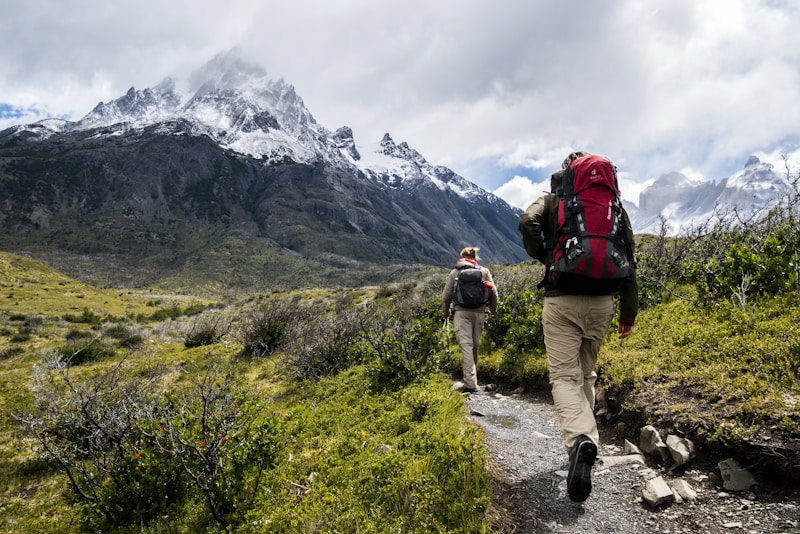
What "Adventure" Actually Means in 2026
Three categories: the gentle adventures (multi-day hikes, beginner surfing, snorkel safaris) are accessible to anyone reasonably fit; the intermediate (sky-diving, advanced trekking, glacier walks, multi-day kayaking) need a week of preparation; the hardcore (Everest base camp, alpine climbing, expedition diving, big-wave surfing) need years.
The 35 Adventures Worth Planning Around
Water Adventures
- Diving with Galápagos hammerheads — Darwin and Wolf, Ecuador
- Snorkeling Hanifaru Bay manta aggregation — Maldives, June-October
- Surfing Mentawai Islands — Indonesia, dry season
- Sea kayaking the Inside Passage — British Columbia, summer
- White-water rafting the Grand Canyon — 14-21 day expeditions
- Freediving Dahab's Blue Hole — Egypt
- Kitesurfing Le Morne — Mauritius
- Surfing Cloudbreak — Fiji, June-September
Mountain and Trekking
- Everest Base Camp trek — Nepal, October or April
- Tour du Mont Blanc — France/Italy/Switzerland, July-September
- Inca Trail to Machu Picchu — Peru, dry season May-September
- Salkantay Trek alternative — Peru
- Torres del Paine "W" or "O" circuit — Chile
- Kilimanjaro — Tanzania (8-day Lemosho route)
- Annapurna Circuit — Nepal
- GR20 Corsica — Europe's hardest trail
- Pacific Crest Trail section hikes — California/Oregon/Washington
High Adrenaline
- Skydive Dubai over the Palm — UAE
- Bungee Bloukrans Bridge — South Africa, 216m
- Ice climbing Banff — Canada, January-March
- Heli-skiing Whistler-Blackcomb — Canada
- Paragliding Interlaken — Switzerland
- Wingsuit BASE jumping — Wengen, expert only
Wildlife
- Mountain gorilla trekking — Bwindi, Uganda or Rwanda
- Polar bear safari Churchill — Manitoba, Canada
- Big Five safari Kruger or Maasai Mara — South Africa/Kenya
- Penguin colony South Georgia — Antarctica peninsula extension
- Komodo dragon trekking — Indonesia
Cultural Plus Adventure
- Mongolian eagle hunters' Altai expedition
- Trans-Siberian rail journey — 2 weeks Moscow to Vladivostok
- Camel trek Erg Chebbi — Morocco
- Iceland Ring Road self-drive
Cold Adventures
- Northern lights chase Tromsø/Abisko — Norway/Sweden, December-February
- Greenland kayaking Disko Bay
- Antarctic expedition cruise — November-March
By Difficulty
| Tier | Examples | Prep needed |
|---|---|---|
| Gentle (anyone fit) | Snorkeling, day hikes, paragliding tandem, safari, beginner surfing | Comfortable walking shoes, basic fitness |
| Moderate | Diving Open Water, multi-day trek under 4,000m, beginner kitesurf, sea kayaking | 1-2 months training |
| Challenging | Everest Base Camp, Inca Trail, intermediate diving, ice climbing intro | 3-6 months training, altitude acclimatisation |
| Expert | Kilimanjaro, GR20, technical climbing, Galápagos diving, expedition cruising | 1-2 years preparation |
| Elite | Everest summit, big-wave surfing, alpine peaks, BASE jumping | Decade of progression |
Cost vs Reward
- Best value: Multi-day hikes (Tour du Mont Blanc, Annapurna) — USD 80-150/day all-in.
- Mid-range: Open Water diving in cheap destinations — USD 100/day.
- Premium: Galápagos, Antarctica, mountain gorillas — USD 600-2,000/day.
- Budget-busters worth it: Heli-skiing, gorilla permits (USD 800/hour), expedition cruises.
Seasonal Calendar
January-March
- Northern lights peak (Norway, Iceland, Canada)
- Patagonia trekking (austral summer)
- Antarctica peak season
- Skiing North America and Japan
April-June
- Kilimanjaro and East Africa
- Everest Base Camp (April spring window)
- Galápagos warm season
- Maldives still calm
July-September
- Tour du Mont Blanc and Dolomites
- Pacific Northwest kayaking
- Mongolia summer
- Australian winter (snorkel North + minke whales)
October-December
- Everest Base Camp post-monsoon (best window)
- Maasai Mara migration peak
- Maldives manta peaks dry season starts
- Skiing southern hemisphere ends, northern starts
How to Pick Your Next Adventure
- Match difficulty to current fitness. Don't book Annapurna in three weeks.
- Pick one big trip per year. Two compromises both.
- Build in weather buffers. 2-3 days at the start and end.
- Use a specialist operator for technical activities. Generalists cut corners on safety.
- Insurance, always. Adventure-specific cover (World Nomads, IMG, Patliban).
The Single Most Important Skill
Pacing. Adventure travelers who blow through their itinerary in five days end up exhausted and miss the magic. Build in 30-40% rest time. Read books. Lie on beaches. Watch sunsets. The reasons adventures work is that they're punctuated by stillness.
Combining Activities in One Trip
- Diving + Hiking: Bali (Tulamben + Mt. Batur), Maldives (diving + Sri Lanka), Costa Rica (Cocos + Arenal).
- Surfing + Diving: Maldives, Bali, Mentawai + Mentawai dives.
- Trekking + Wildlife: Bwindi gorillas + Rwanda summit, Tanzania safari + Kilimanjaro.
- Cold + Hot: Iceland + Egypt, Patagonia + Galápagos.
Sustainability Lens
Adventure tourism's footprint is real — flights, gear, ecosystem stress. Mitigate it:
- Stay longer in fewer places.
- Choose operators with verified conservation funding.
- Pack reef-safe sunscreen, refillable bottles, biodegradable soap.
- Tip local guides and porters generously — they're the multiplier on every dollar spent.
Plan Your Next Adventure
- PADI — for diving adventures.
- GetYourGuide — guided treks, day adventures and excursions.
- Viator — multi-day adventure packages.
Frequently Asked Questions
What's the best entry-level adventure?
Open Water dive certification or Tour du Mont Blanc trek. Both are accessible, transformative, and unlock advanced versions of the same activity later.
How fit do I need to be?
Depends on the activity. Snorkel safaris and gentle treks need walking-fit baseline. Multi-day high-altitude treks need 3-6 months of cardio + strength prep. Be honest about current fitness.
How early should I book?
9-15 months for permit-limited destinations (Galápagos liveaboards, gorilla treks, Inca Trail). 4-6 months for accommodation-limited (TMB huts, popular safaris). 1-3 months for activities-only.
What insurance do I need?
Adventure-specific coverage that includes medical evacuation, plus diving cover (DAN) and high-altitude trekking cover separately. World Nomads is the most common all-rounder.
Solo or guided?
Guided is non-negotiable for technical activities (diving, climbing, glacier walks). For trekking, solo is fine on well-marked trails (TMB, Annapurna lower) with proper preparation.